














Why accessibility, usability, and inclusive design work best when they’re built in
Designing for everyone starts with intention
Designing digital products today means recognizing diversity as the norm. People interact with products in different ways, across contexts, abilities, devices, and environments. Inclusive design, usability, and accessibility are no longer “nice to have”, they are fundamental to building meaningful digital experiences.
While often discussed as separate disciplines, in practice they shape the same goal: creating experiences that work well for as many people as possible.
The real challenge isn’t understanding why these principles matter, but how to apply them consistently as products and teams scale.
At Qubika’s Product Design Studio, we approach this through shared practices, an internal accessibility framework, and a dedicated accessibility leadership space that supports teams in making informed decisions from the start.
Turning principles into consistent practice
Turning accessibility principles into everyday practice requires clear processes and shared standards.
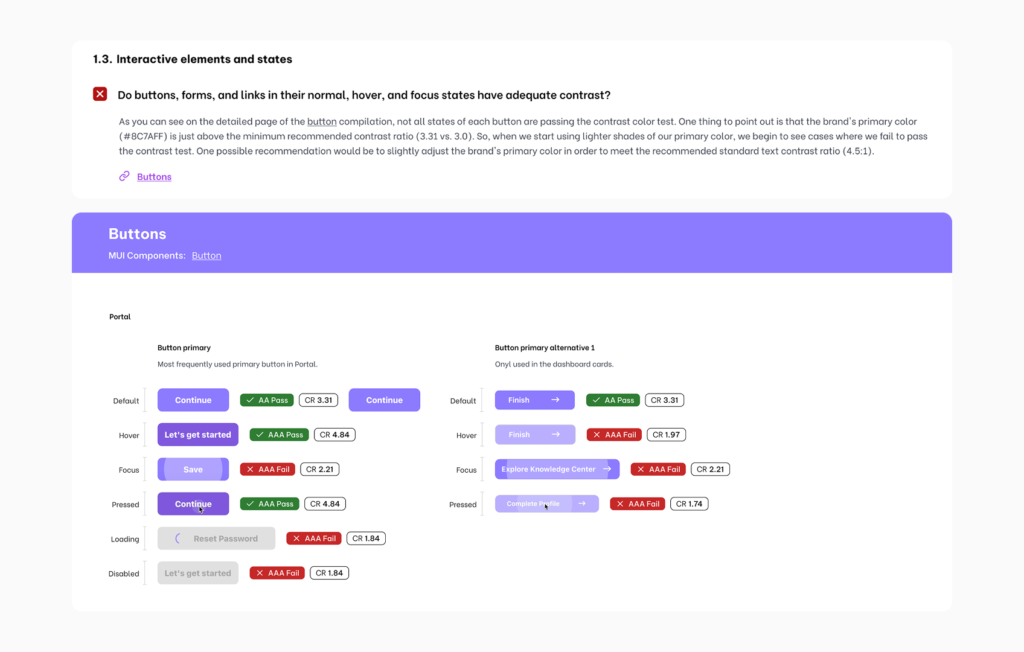
Our approach starts with accessibility audits grounded in WCAG 2.2, the current international standard for digital accessibility. We use an internal framework to evaluate key user flows, components, and interactions, supported by established usability and inclusive design guidelines. Findings are translated into actionable improvements that address structure, navigation, contrast, interaction patterns, and content clarity.
From there, we help teams define workflows that integrate accessibility into design and development, making it part of normal product work rather than a separate or reactive effort.
From isolated efforts to scalable practices
Accessibility initiatives often begin with audits or one off improvements. While valuable, these efforts tend to lose impact without shared standards and consistent ways of working.
As products evolve, teams face recurring accessibility issues and misalignment between design and development. To address this, we are progressively integrating AI across our accessibility process, using it as an analysis accelerator within our internal framework.
Design Systems as part of the workflow
A Design System is one of the ways teams can operationalize accessibility, whether it’s built from scratch or evolved after an accessibility audit.
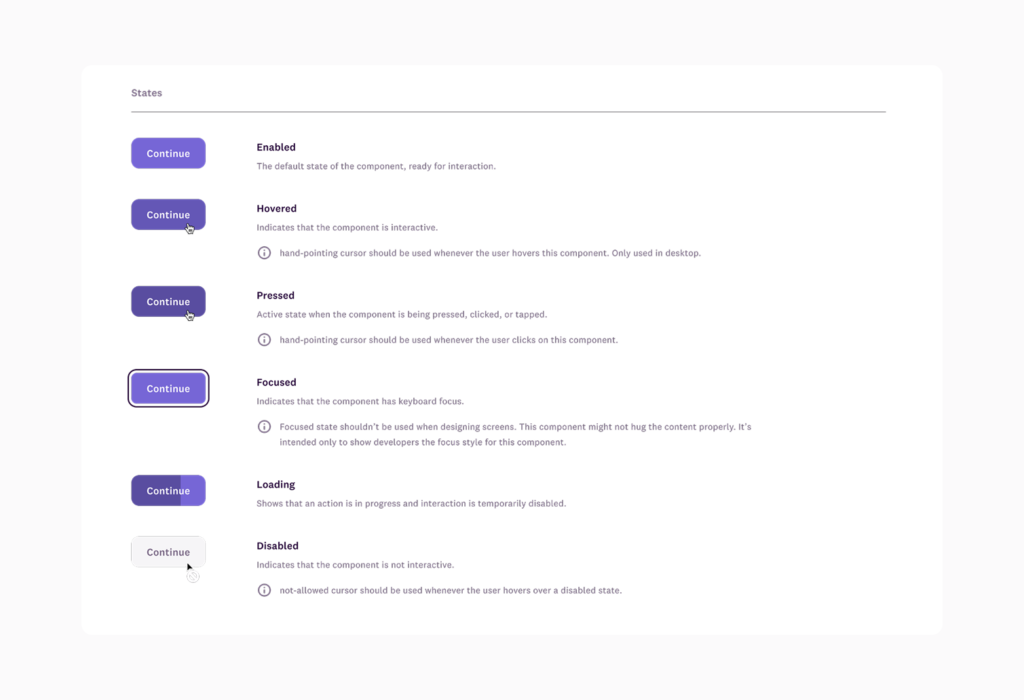
By embedding accessibility into components, patterns, and documentation, teams apply best practices by default. Depending on the client’s needs, the Design System can serve as a starting point for inclusive design or as a natural next step once accessibility gaps have been identified.
This approach helps standardize solutions, reduce repetitive decision making, and support collaboration across design and development, while accelerating design and development workflows and making accessibility part of everyday product work.
Case Study: Putting knowledge into practice
We partnered with one of our largest human resources services clients to conduct an accessibility audit and improve overall usability, driven by increasing accessibility requirements from stakeholders and partners.
Using our internal framework, we evaluated multiple user flows and translated findings into clear, actionable improvements. This work informed structural changes, clearer user flows, and ongoing collaboration with developers, supported by documentation that ensured accessibility and usability were applied consistently over time.
As a result of this work, the client’s platform evolved into a significantly more accessible and usable experience. Barriers that previously prevented users from completing key tasks were removed, enabling people who had been partially or fully excluded to successfully use the product. This had a direct impact on users’ ability to access essential services independently, improving their day to day interactions with the platform.
This work transformed accessibility from a reactive requirement into a strategic product capability. The client reduced risk, improved alignment with stakeholder and partner expectations, and created a more scalable foundation for future development. By integrating accessibility into everyday product workflows, the platform became more reliable, easier to evolve, and better positioned to compete in a market with increasing accessibility demands.
What we’ve learned by building accessibility into real products
Our experience shows that accessibility works best when it’s treated as part of product quality. When it informs design decisions, components, and documentation, teams reduce rework and gain confidence in what they deliver.
Accessible patterns are reused and refined over time, reducing rework and allowing accessibility to evolve alongside the product. Expert knowledge supports this process through validation and alignment, but the real impact comes from making accessibility part of how teams think, design, and build every day.
Considerations for scaling inclusive design sustainably
From our experience, scaling accessibility is less about adding more rules and more about building the right foundations.Some key considerations that have proven effective include:
- Designing components with accessibility in mind from the start, rather than retrofitting later.
- Using the Design System as a single source of truth for inclusive patterns and behaviors.
- Documenting accessibility considerations clearly, in a way that supports both designers and developers.
- Treating accessibility as an ongoing practice that evolves with the product.
When these elements are in place, inclusive design becomes easier to maintain and more consistent across teams.
Inclusive design is a strategic choice
Inclusive design, usability, and accessibility are not constraints, they are drivers of better products. When applied consistently, they improve quality, reduce risk, and expand reach.
Accessible products are better positioned in the market. They meet higher expectations, serve broader audiences, and stand out through experiences that are more reliable and inclusive by design. Accessibility, when treated as a core part of product strategy, becomes a differentiator, not technical debt.