








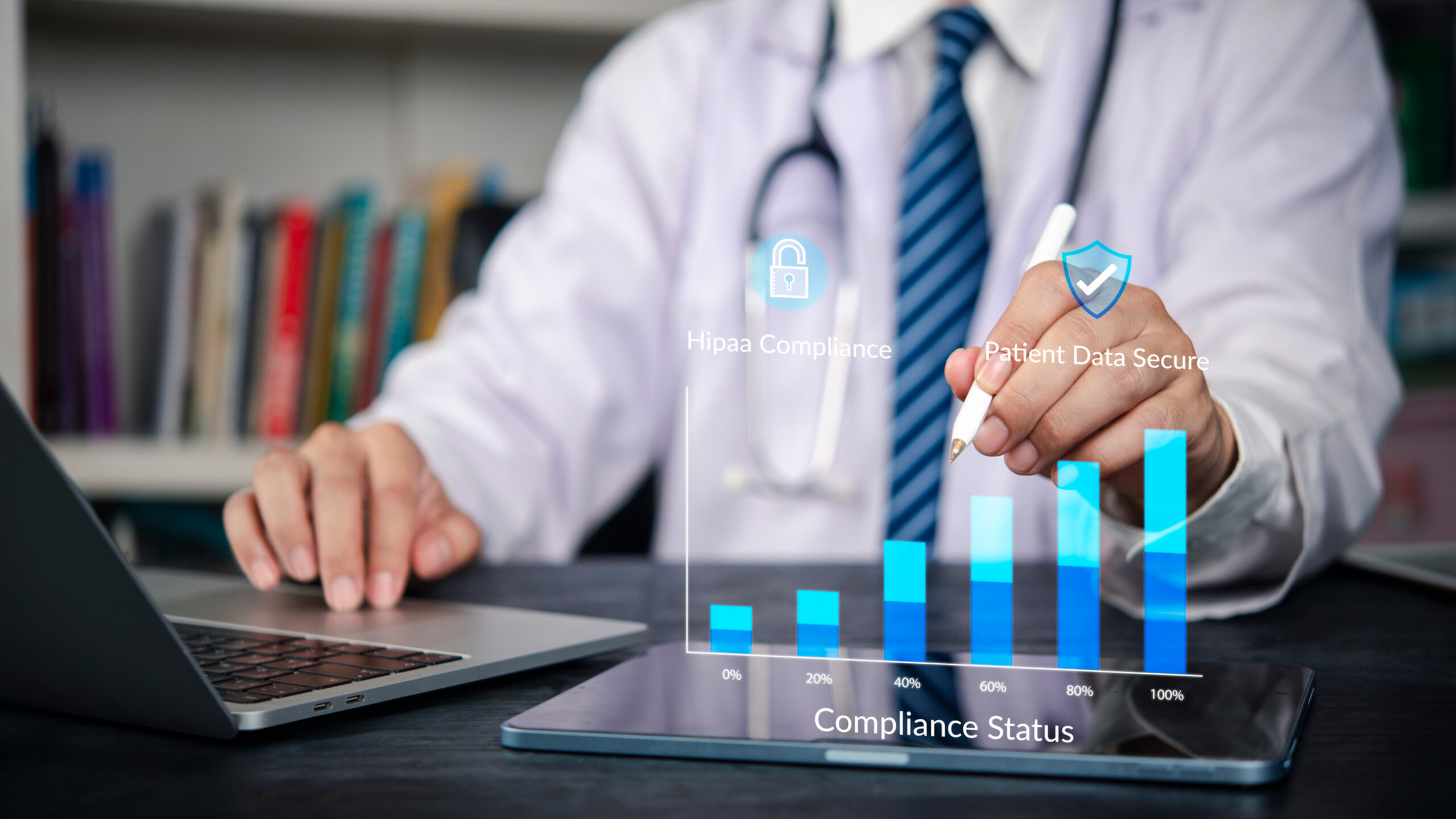
In medical terms, an infarction occurs when blood flow is obstructed, leading to systemic tissue death. In January 2026, the Blackout-26 campaign served as a digital infarction for global healthcare infrastructure. By leveraging a multi-stage execution chain-likely initiated via a compromised Managed Service Provider (MSP) or a zero-day exploit in edge gateway appliances-threat actors achieved rapid lateral movement across clinical VLANs. The result was a total “clinical blackout.” When the arteries of data flow are severed, the hospital stops breathing.
Blackout-26 is part of a growing pattern of threats against health infrastructures worldwide. These attacks are aimed at both disrupting care delivery and exfiltrating extremely sensitive patient data for extortion or secondary misuse.
Why healthcare is such a high-value cyber target
Healthcare organizations face unique vulnerabilities:
- Data rich, security scarce: Medical records contain deeply personal and regulated data. Unlike financial data, medical records cannot be reissued, making them exceptionally valuable for identity fraud, insurance abuse, and secondary criminal markets. Under HIPAA, this data is subject to strict confidentiality, integrity, and availability requirements.
- Operational fragility: System downtime directly impacts patient outcomes. Even short outages can delay diagnostics, interrupt medication administration, or force manual workflows that increase the risk of medical errors. This operational urgency makes healthcare organizations more vulnerable to ransomware extortion.
- Critical infrastructure: The World Health Organization recognizes cyberattacks on hospitals as threats to public health and safety, stressing the need for cross-sector collaboration (law enforcement, health authorities, and cyber response teams) to defend critical health infrastructure.
- Growing trend: Globally, healthcare cyberattacks have been increasing in frequency and sophistication; Ransomware remains dominant, but healthcare now faces multi-vector attacks involving phishing, DDoS diversion, supply-chain compromise, identity-based attacks, and exploitation of misconfigured cloud services.
Incidents like Blackout-26 and past major breaches, such as the Change Healthcare ransomware compromise, illustrate how deeply integrated attacks can ripple through healthcare networks, substantially affecting care delivery and financial operations.
The stakes: Beyond downtime to data safety and compliance
Cyberattacks on healthcare jeopardize privacy, compliance, and trust. In the U.S., the HIPAA (Health Insurance Portability and Accountability Act) sets strict requirements for protecting electronic protected health information (ePHI), including administrative, technical, and physical safeguards. Failure to meet HIPAA standards can lead to investigations, fines, and reputational damage.
Given this risk landscape, healthcare providers must defend against threats that:
- Disrupt clinical systems
- Expose or manipulate patient data
- Trigger regulatory breaches under HIPAA
- Lead to costly recovery and remediation efforts
Qubika: Safeguarding healthcare data with HIPAA-ready capabilities
Qubika’s cybersecurity solutions are engineered to mitigate exactly the kinds of threats exemplified by Blackout-26 and similar attacks – with a specific focus on HIPAA compliance and operational resilience.
1. Comprehensive ePHI protection
Qubika implements robust technical controls aligned with the HIPAA Security Rule to protect ePHI against unauthorized access, modification, or loss. These controls include encryption in transit and at rest, secure identity and access management (IAM), and activity logging,
2. Zero-trust architecture
Traditional perimeter-based security fails once attackers gain a foothold. Qubika’s zero-trust approach assumes breach and continuously verifies identity, device posture, and context for every access request. This significantly limits lateral movement across clinical VLANs, EHR systems, and connected medical devices – a key failure point in Blackout-26.
3. Real-time threat detection and response
Using advanced analytics, behavioral monitoring, and event correlation, Qubika detects suspicious activity early and automates incident response playbooks – minimizing dwell time and compliance violations that can lead to HIPAA breach reporting.
4. Auditing & compliance reporting
HIPAA compliance is inseparable from evidence. Qubika provides centralized logging, access reports, and configuration baselines that support OCR audits, breach investigations, and internal compliance reviews. This ensures organizations can demonstrate due diligence and security governance.
5. Risk assessment and remediation
HIPAA explicitly requires ongoing risk analysis. Qubika supports healthcare organizations with structured risk assessments, threat modeling, and remediation roadmaps. Security investments are prioritized based on real risk to patient data and clinical operations, not generic checklists.
Conclusion: Cybersecurity as patient safety
Blackout-26 underscores the hard truth that in modern healthcare, cybersecurity failures translate directly into patient safety risks. When systems go dark, clinicians lose visibility, workflows degrade, and lives are put at risk.
Healthcare organizations must elevate cybersecurity from an IT function to a core pillar of clinical safety and regulatory compliance. This requires both advanced technical defenses and deep understanding of frameworks like HIPAA.
Qubika’s approach is a fusion of modern security architecture, real-time threat response, and compliance-driven governance. The result is resilient healthcare systems capable of protecting patient data, maintaining continuity of care, and preserving trust in an increasingly hostile threat landscape.
Learn more about Qubika's cybersecurity capabilities
Qubika's cybersecurity solutions portfolio is crafted to empower organizations to confidently navigate the intricate cybersecurity landscape. We provide strategic guidance and technical expertise to bolster your defenses, enhance resilience, and streamline compliance.