






One night, three tracks
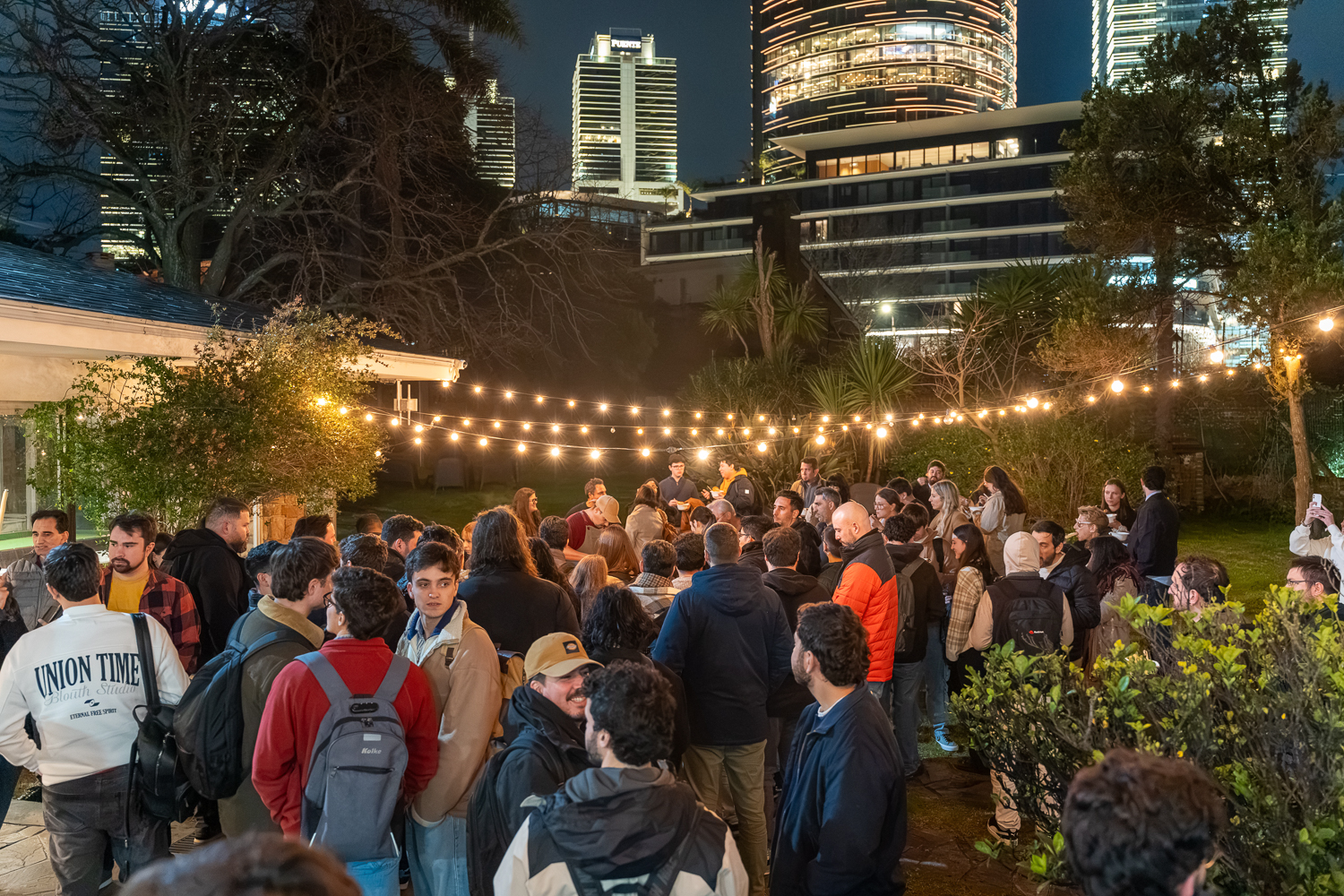
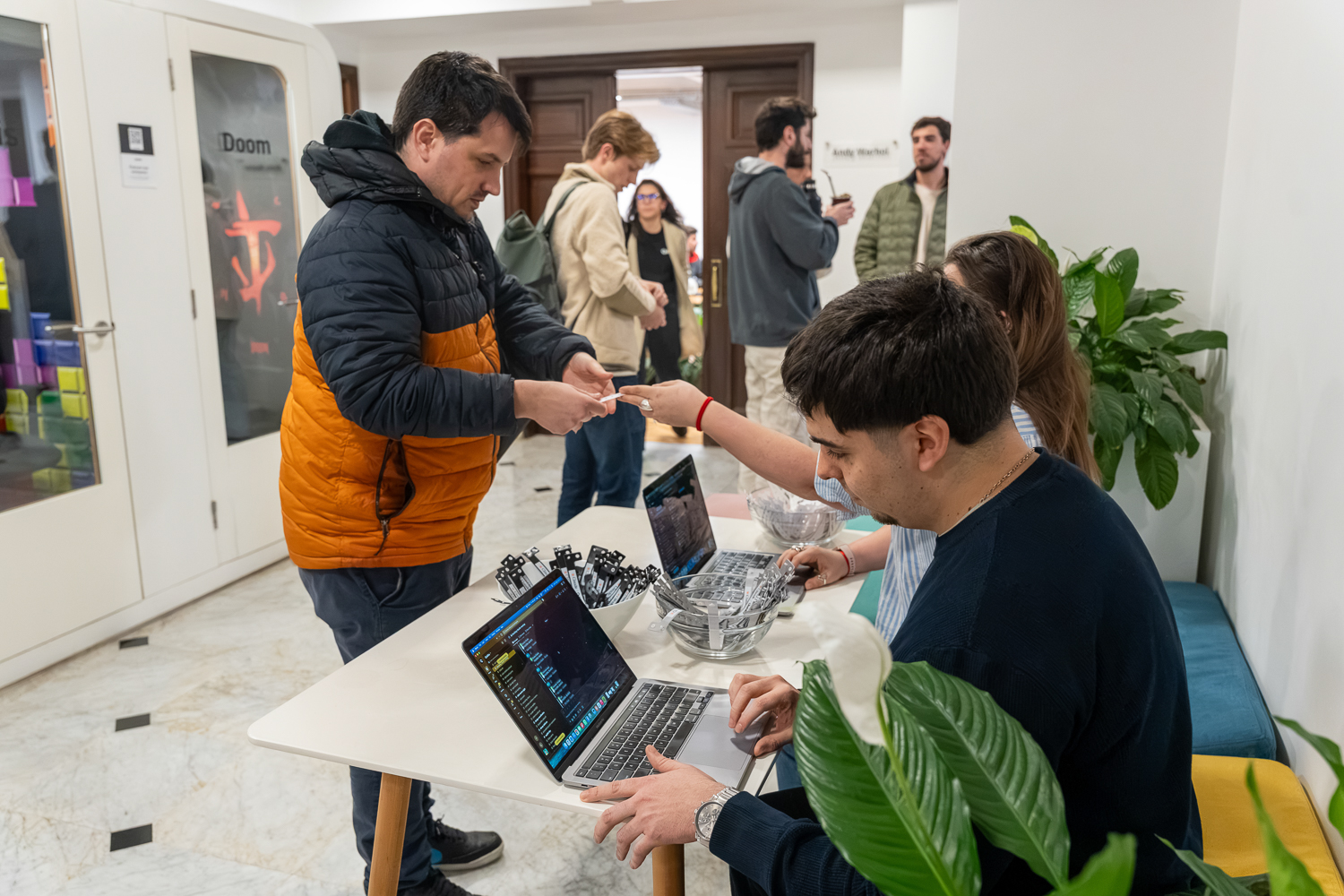
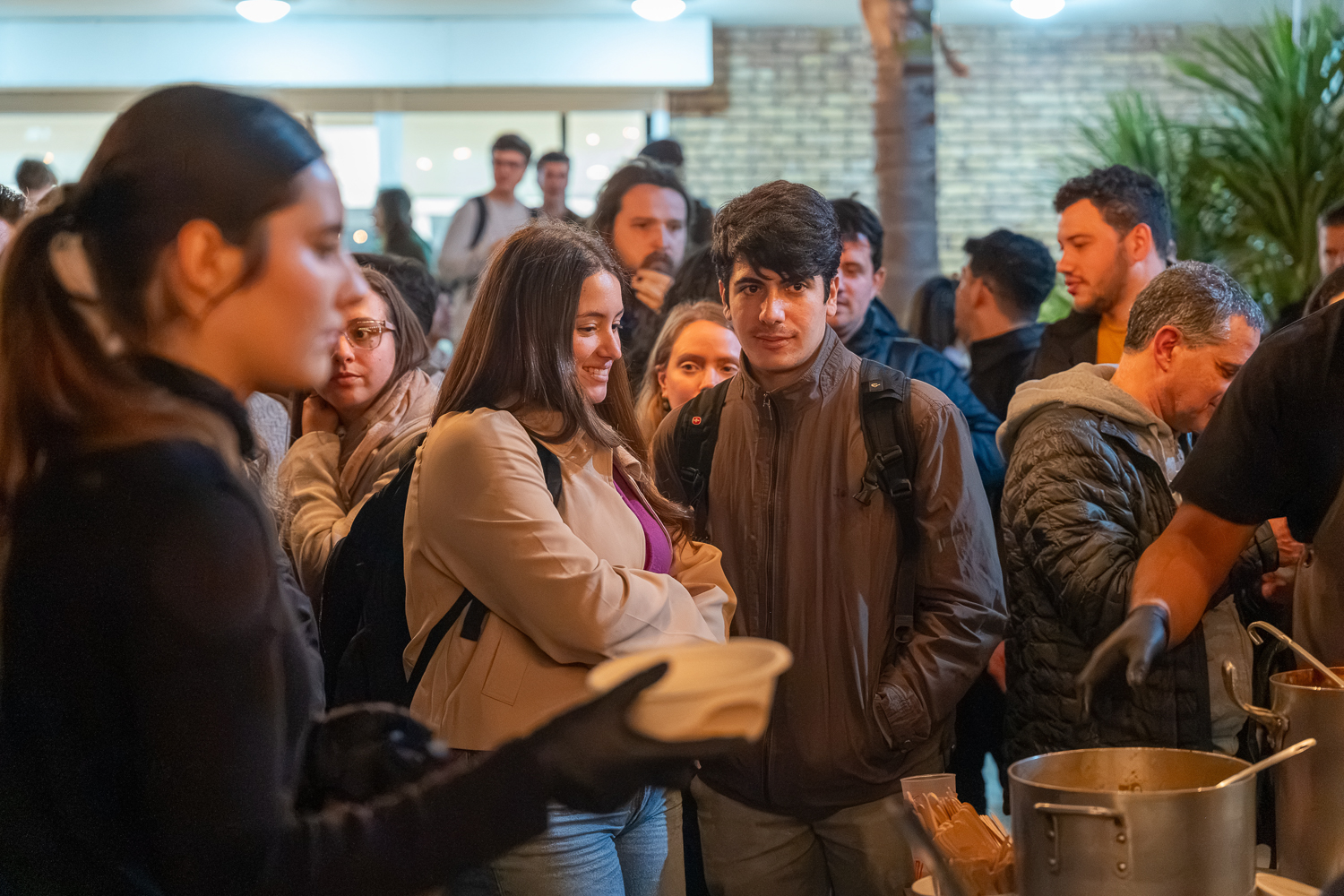
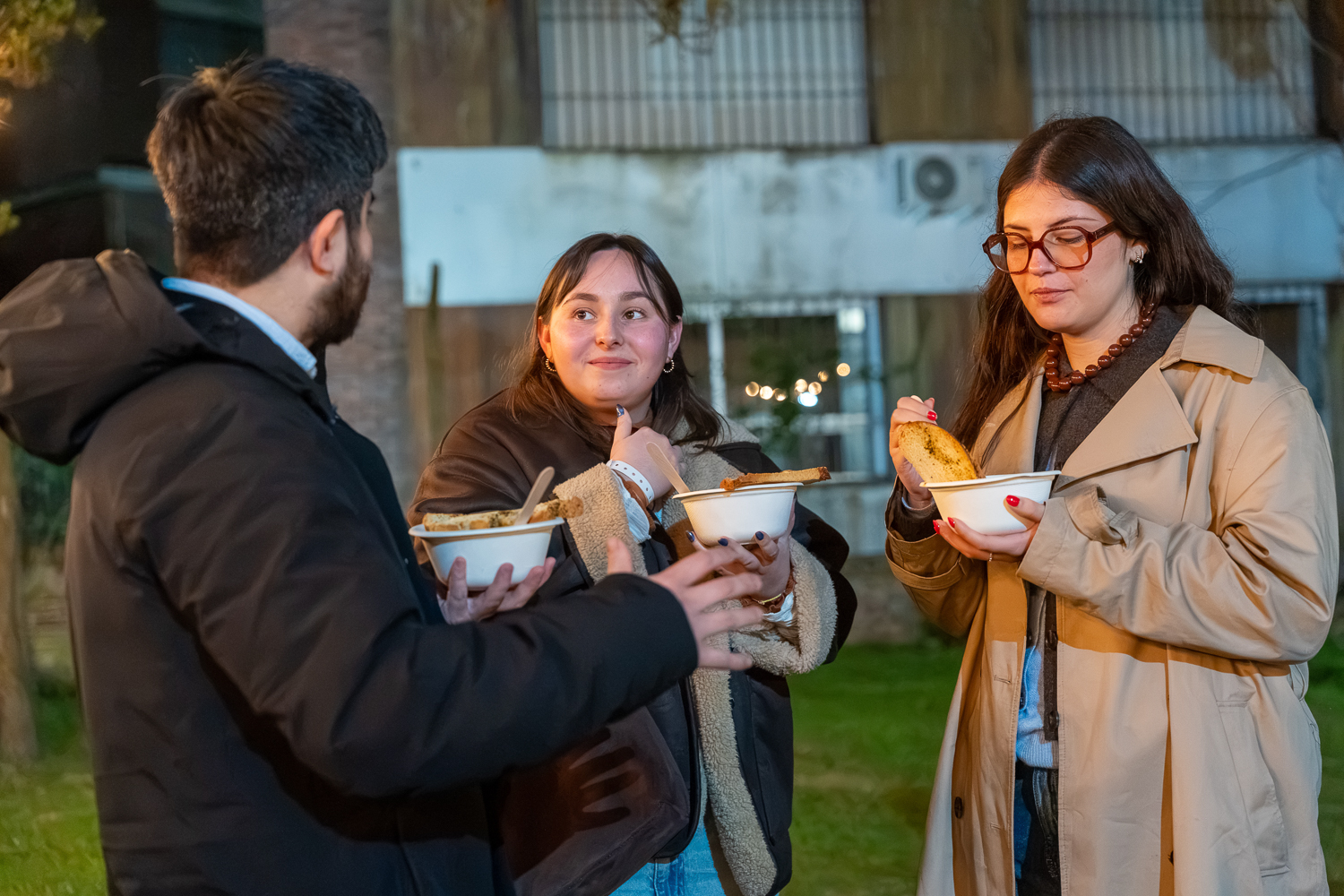
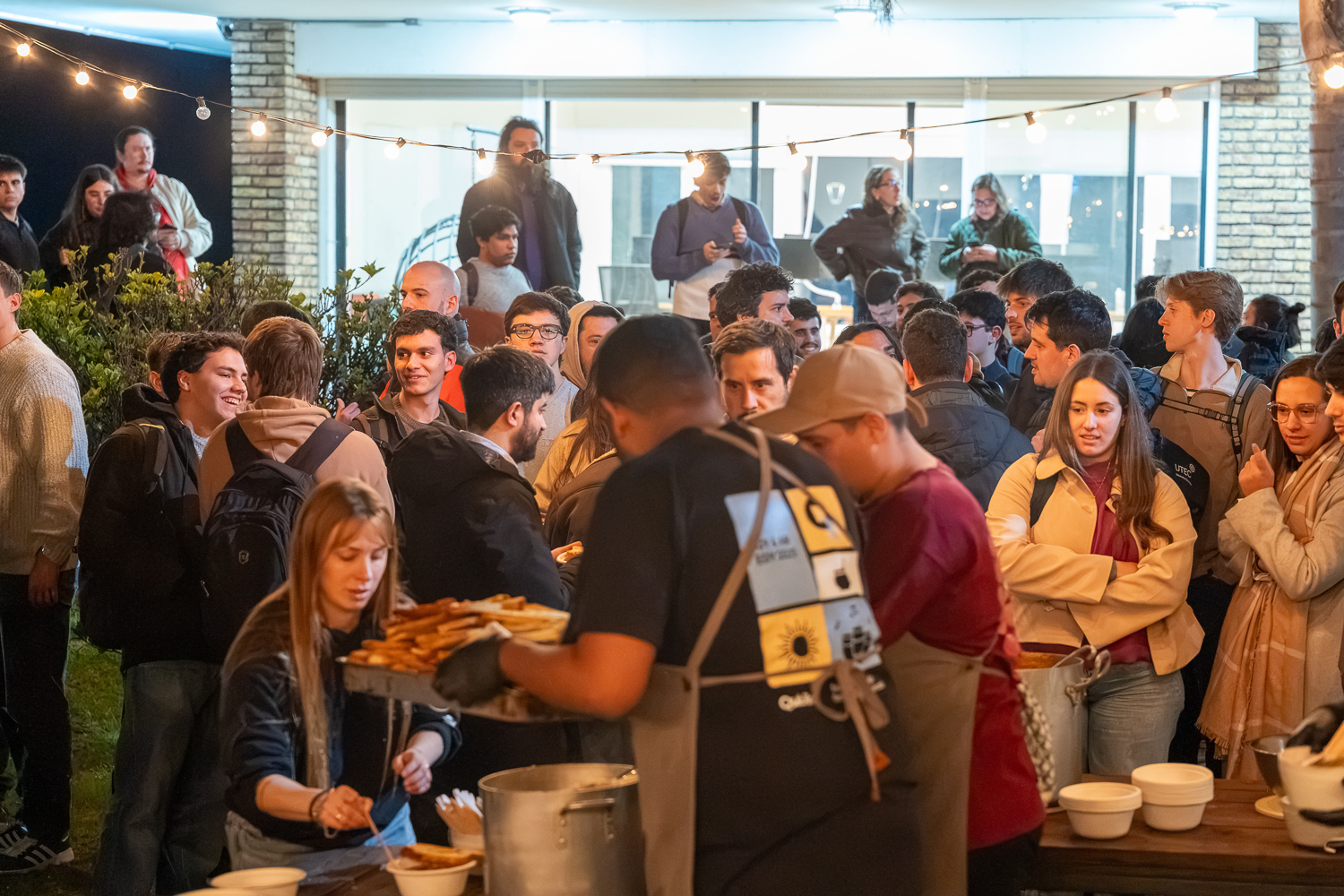
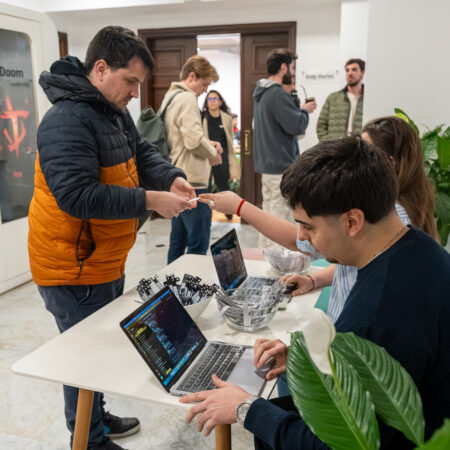
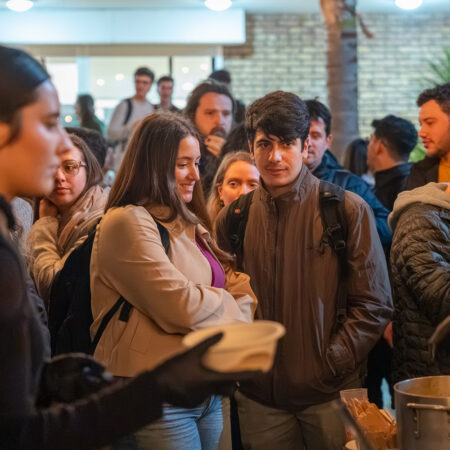
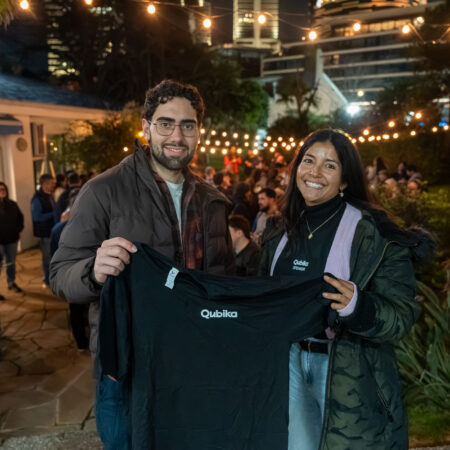
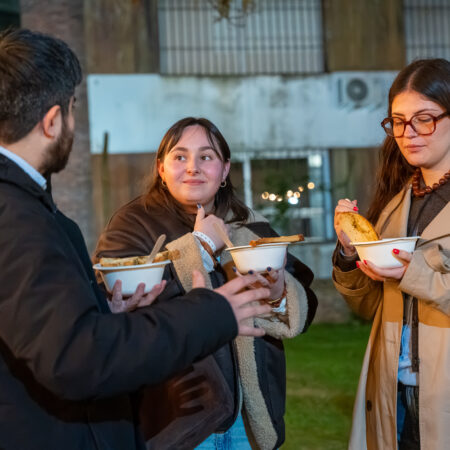
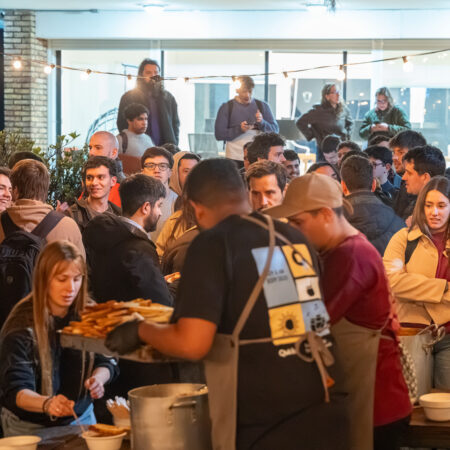
Check-in opened at 18:45. At 19:15 the Main Stage and both workshops started in parallel, and at 20:45 the three tracks came together for networking, with food and drinks. Registration included a track choice, since the workshops had limited seats.
Main Stage: two talks, no prerequisites
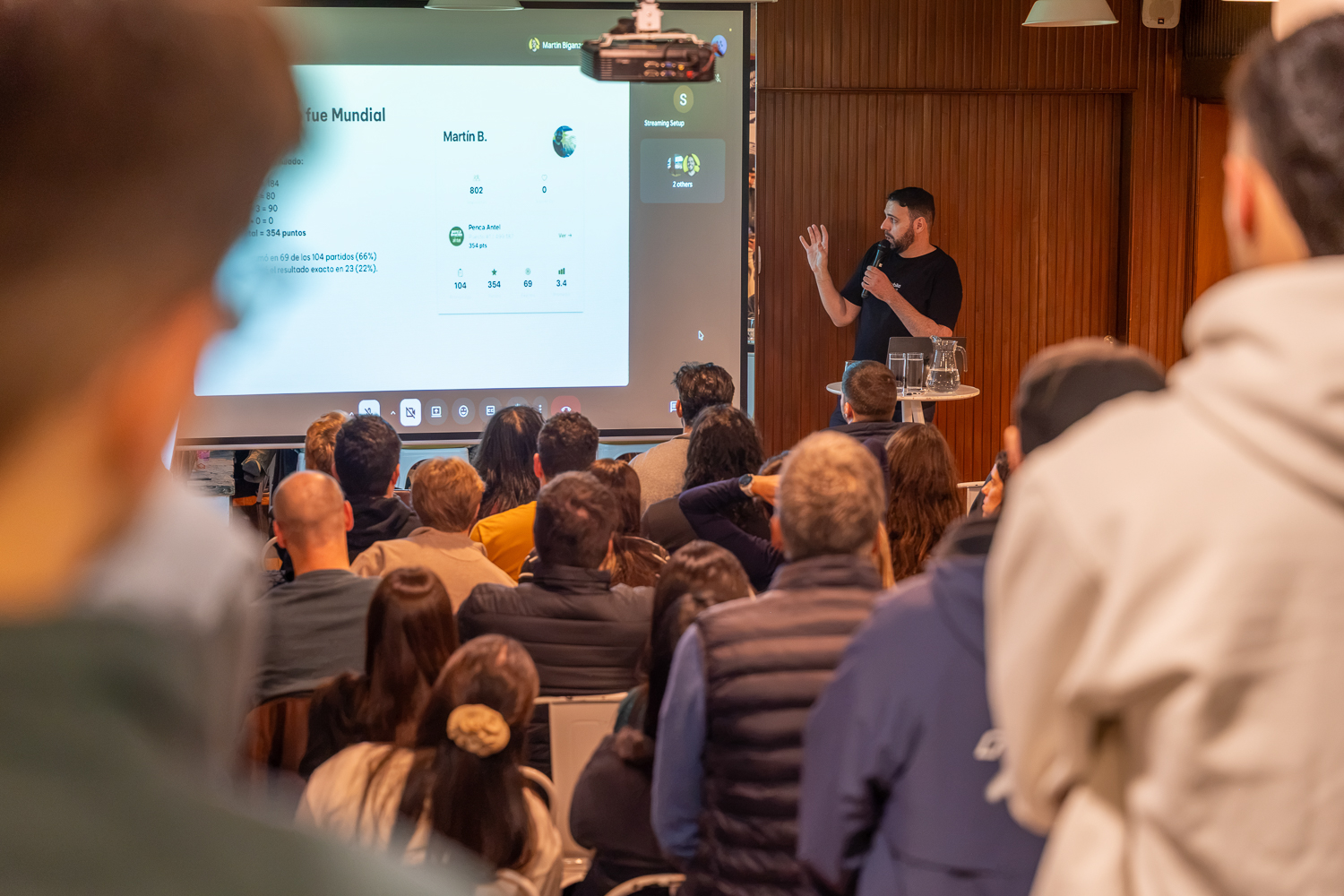
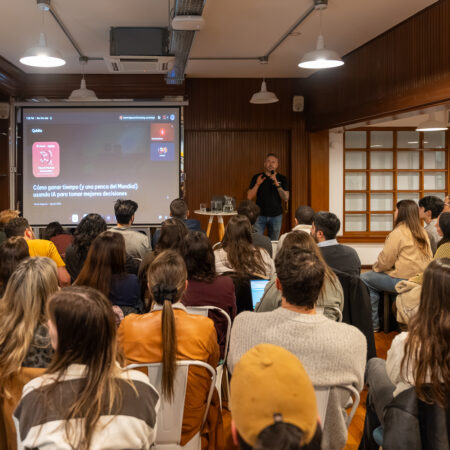
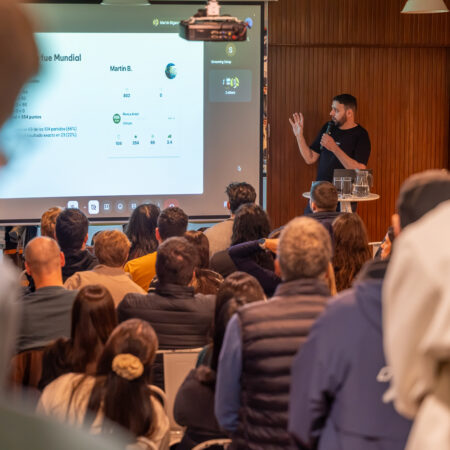
How to save time (and win a World Cup pool) using AI to make better decisions
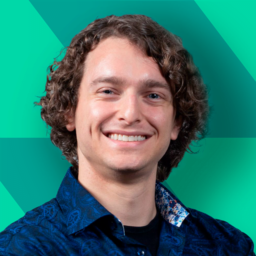
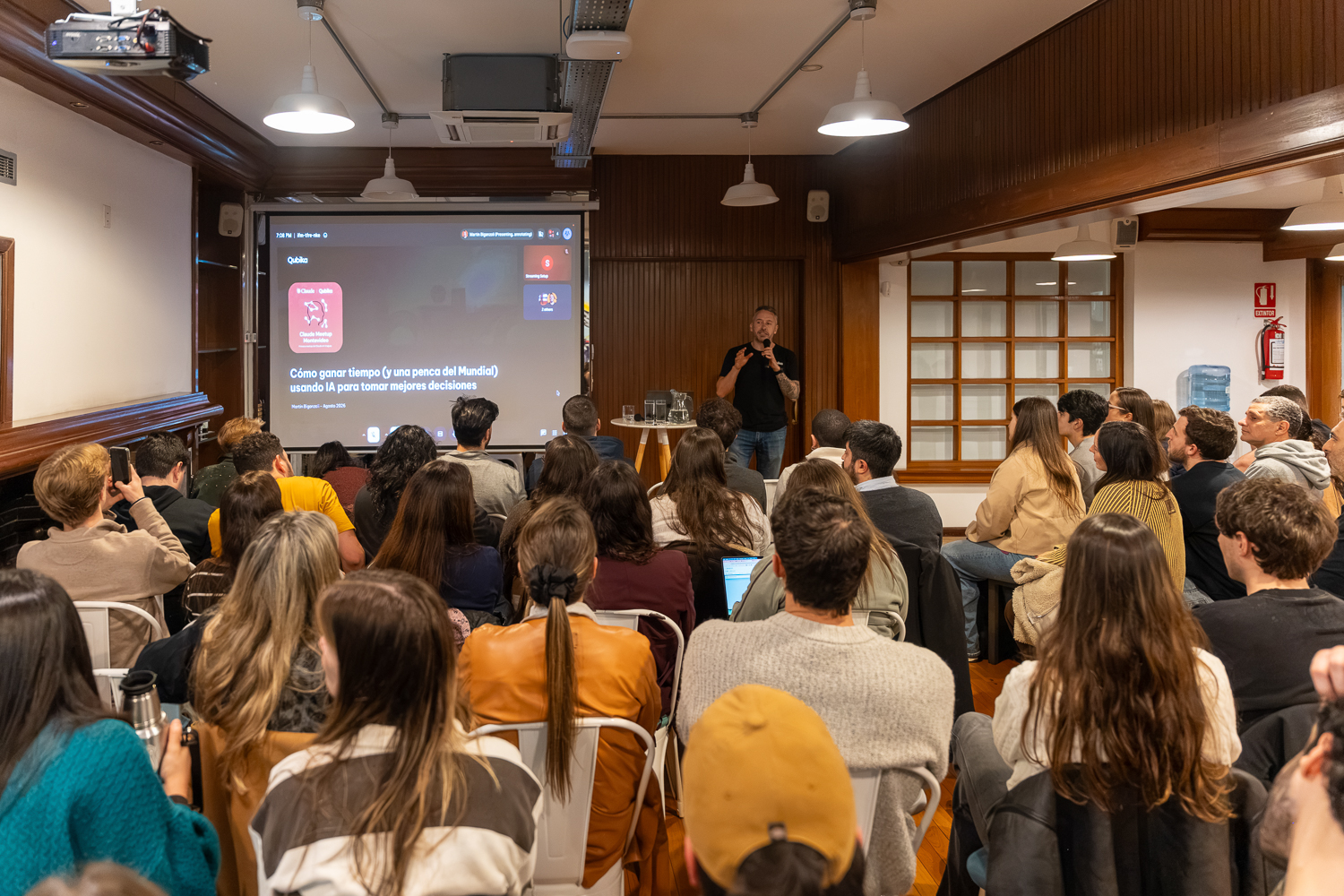
Speaker: Martín Biganzoli, Engineering Studio Manager at Qubika.
Martín leads Qubika’s Engineering Studio, where the focus is on evolving software engineering through AI, agentic architectures, and new delivery models. He showed how he used AI to connect several sources of information, predict World Cup match results, and finish among the winners of his football pool. From that example, he shared lessons on using AI to make better decisions: when it genuinely saves you time, and when it only feels like it.
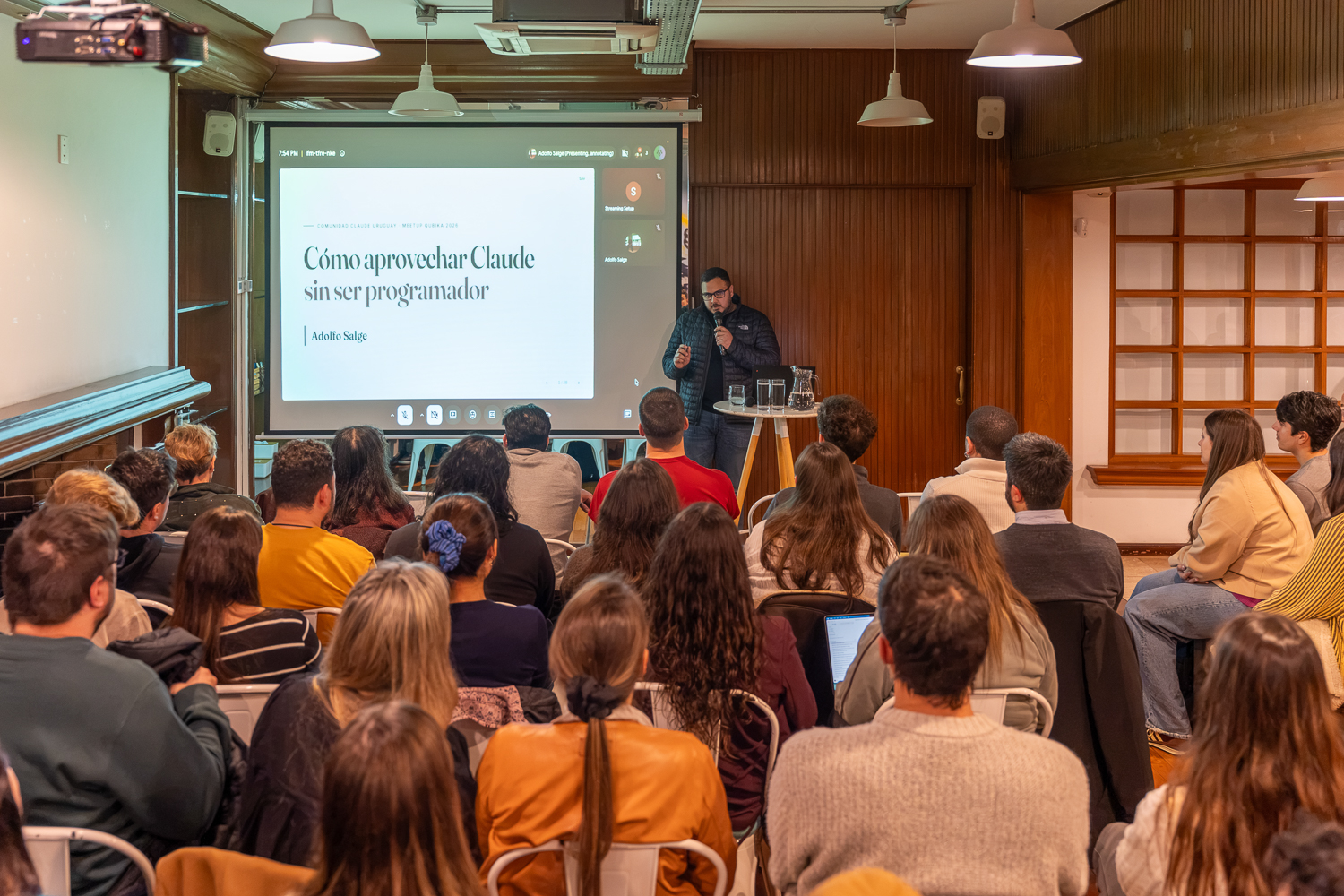
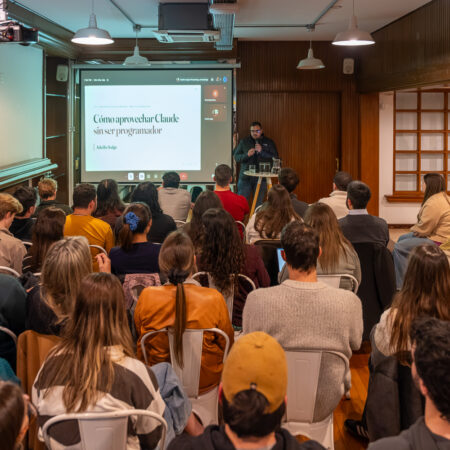
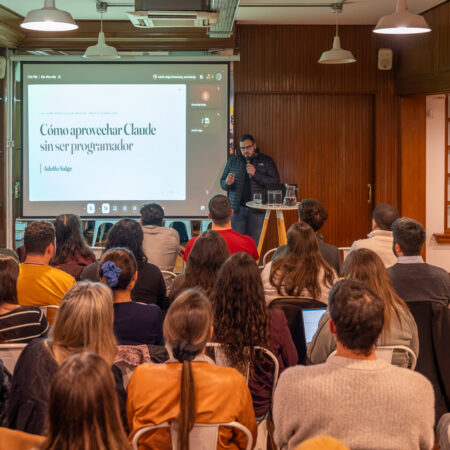
How to get the most out of Claude without being a programmer
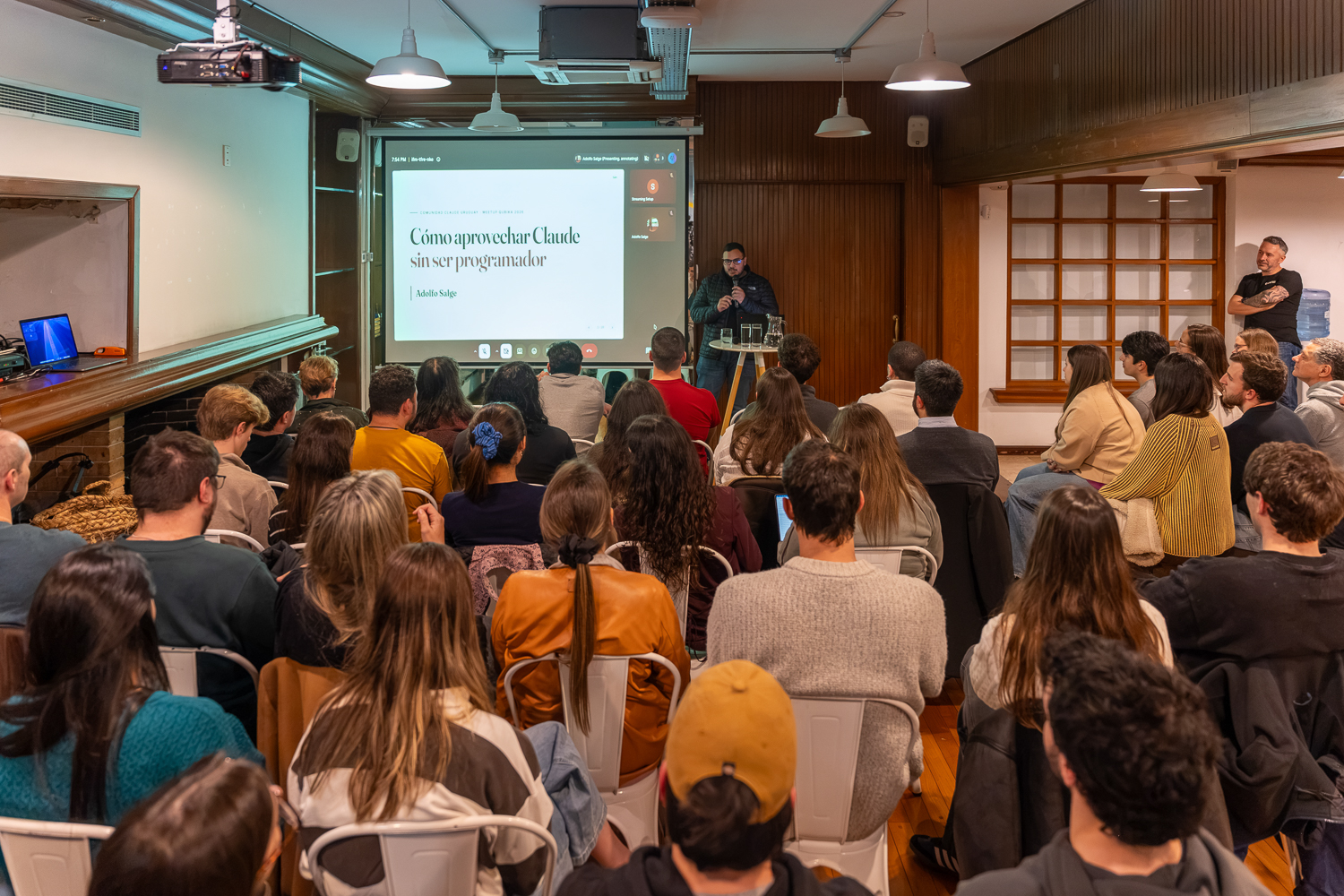
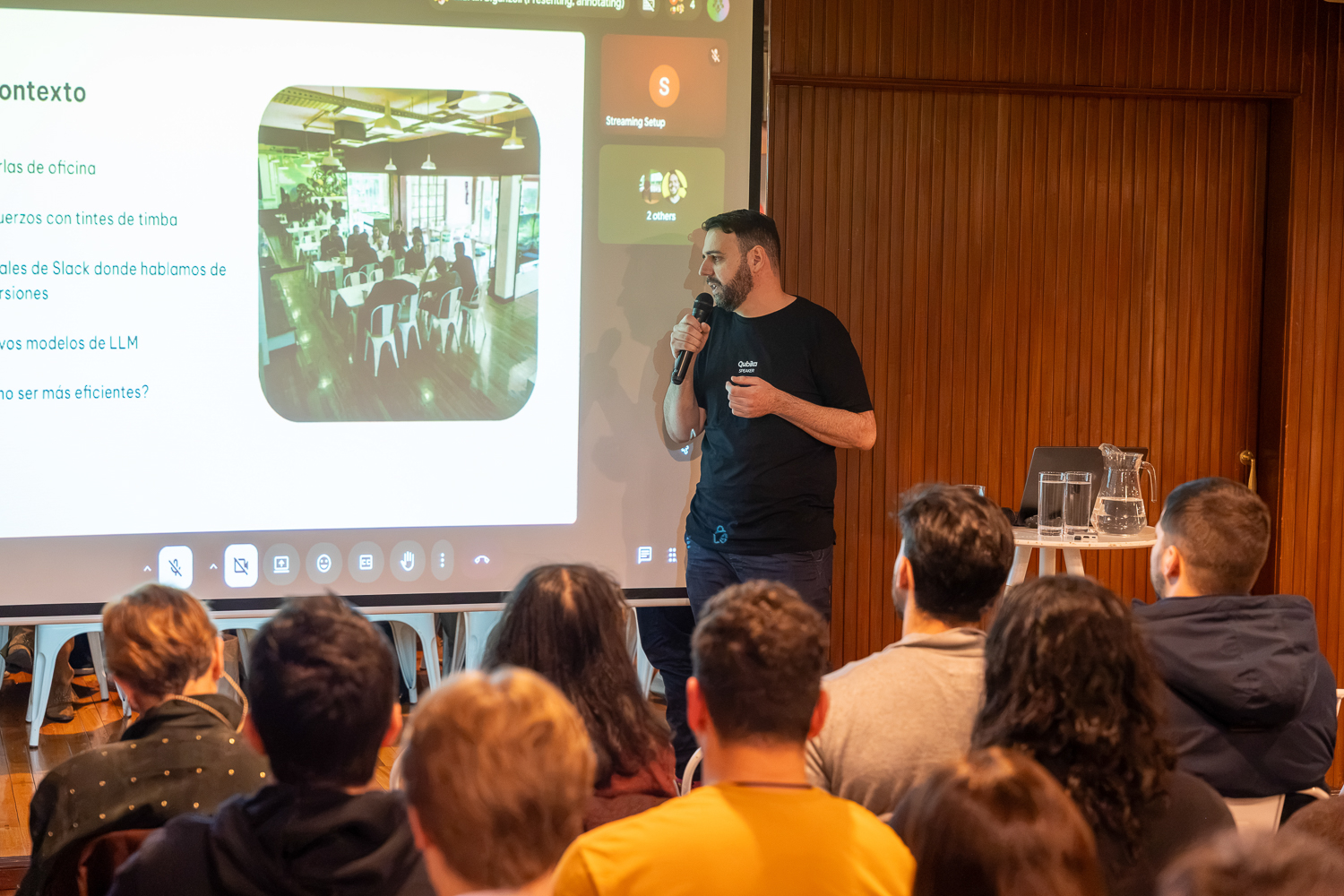
Speaker: Adolfo Salge, Head of Supply & Delivery Experience Uruguay at Mercado Pago.
Adolfo leads a team where decisions are made on data and operations, not code. He explained how Claude helped him complete an MBA while working full time at Mercado Pago, and how he built data integrations with Slack that give the business visibility into key numbers. His message for non-technical profiles: you can get real value from Claude from day one, without writing a line of code.
Workshop: Claude in depth
Subagents, skills, hooks, and parallel sessions
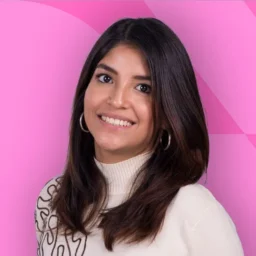
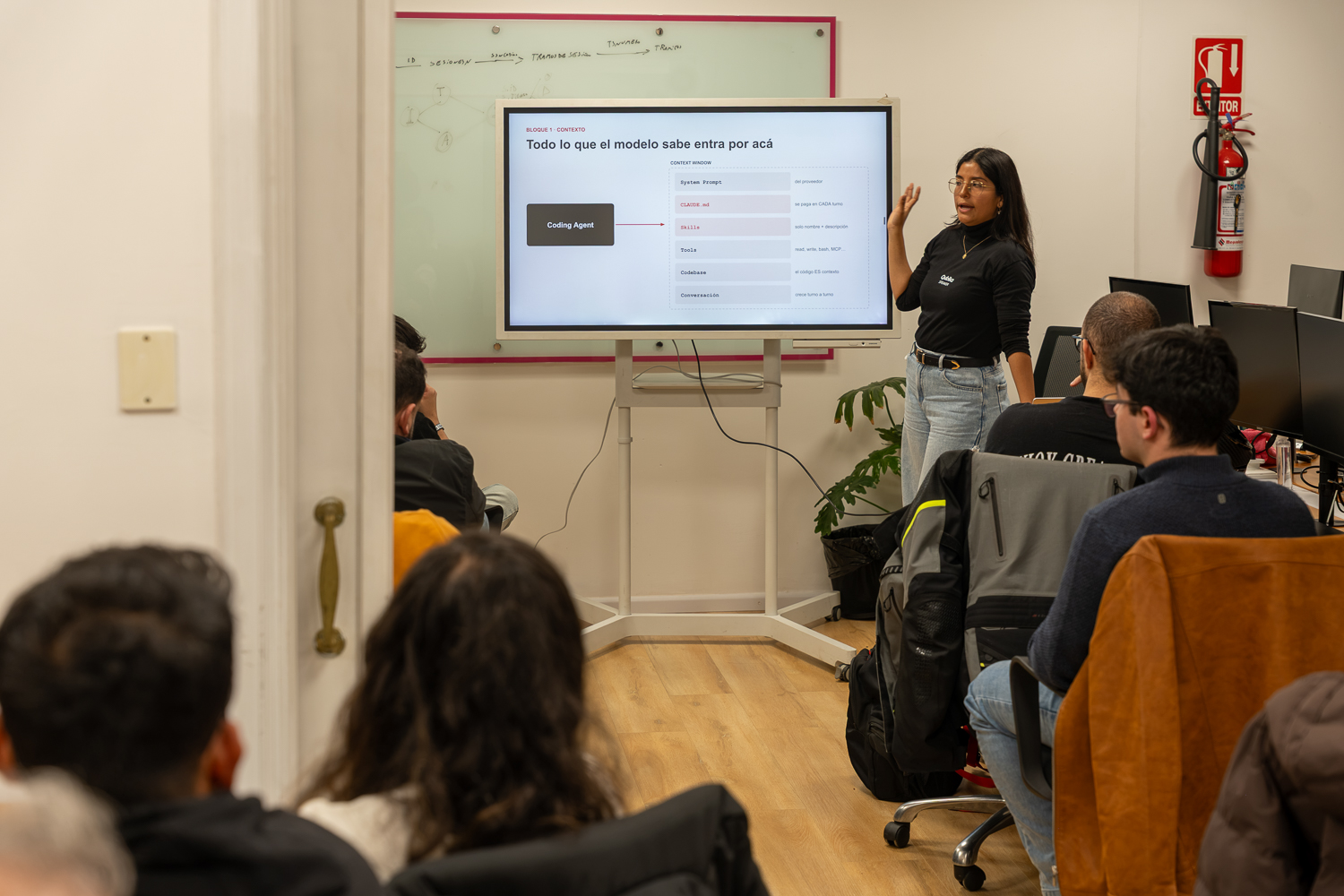
Speaker: Jeasmine Nahui, AI Architect at Qubika.
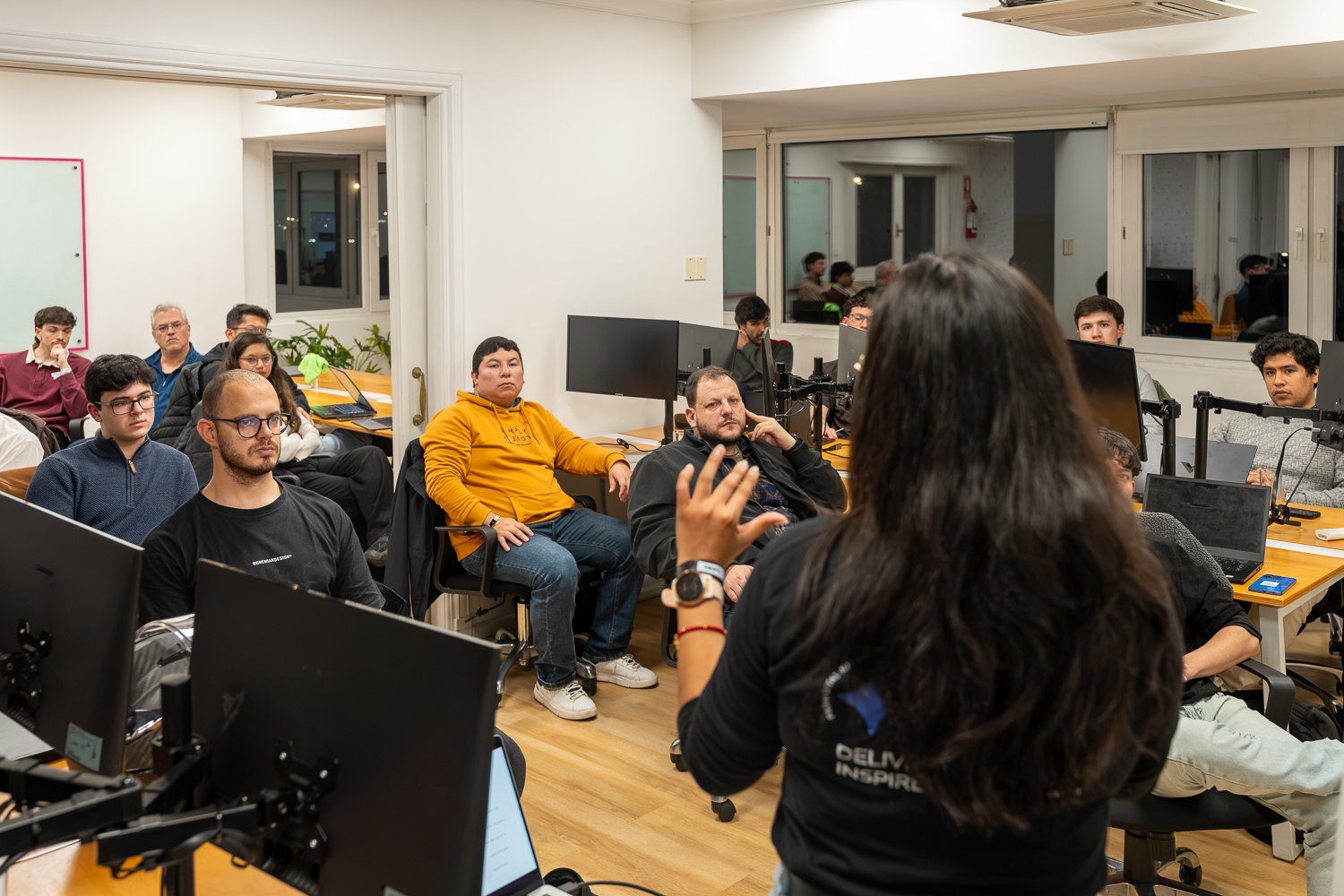
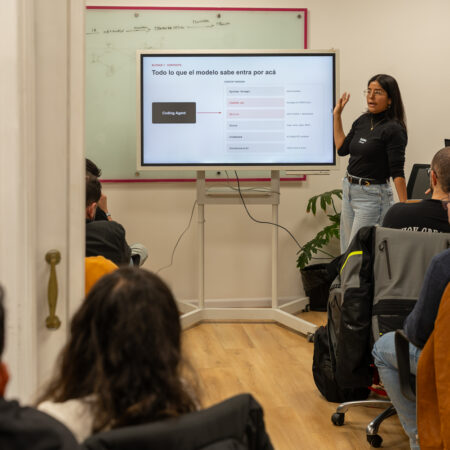
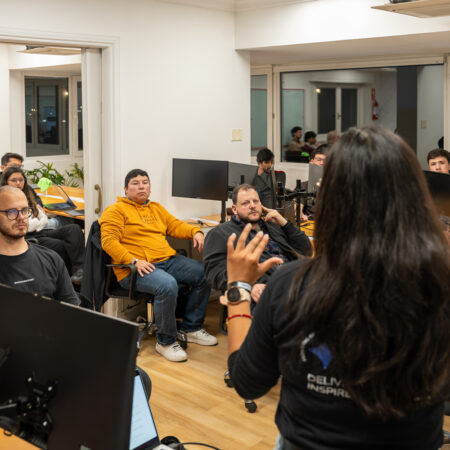
Jeas led a 60-minute live demonstration of Claude Code workflows. Designed for people with programming experience and a basic understanding of Git, the session explored how to organize more complex development work with Claude.
Jeas demonstrated how to:
- Delegate tasks to subagents.
- Choose between plan mode and direct editing.
- Run multiple coding sessions in parallel on the same repository.
- Extend Claude Code with custom hooks and skills.
She also shared lessons from applying these workflows in Qubika’s projects with Claude. Attendees received access to the repository containing the agents, hooks, and skills demonstrated, along with a step-by-step guide to reproduce the setup in their own projects. That gave them a way to revisit the session and continue experimenting afterward.
Workshop: the Claude Certified Architect path
What the certification evaluates and how to prepare
Speaker: Julian Salcedo, Engineering Lead at Qubika.
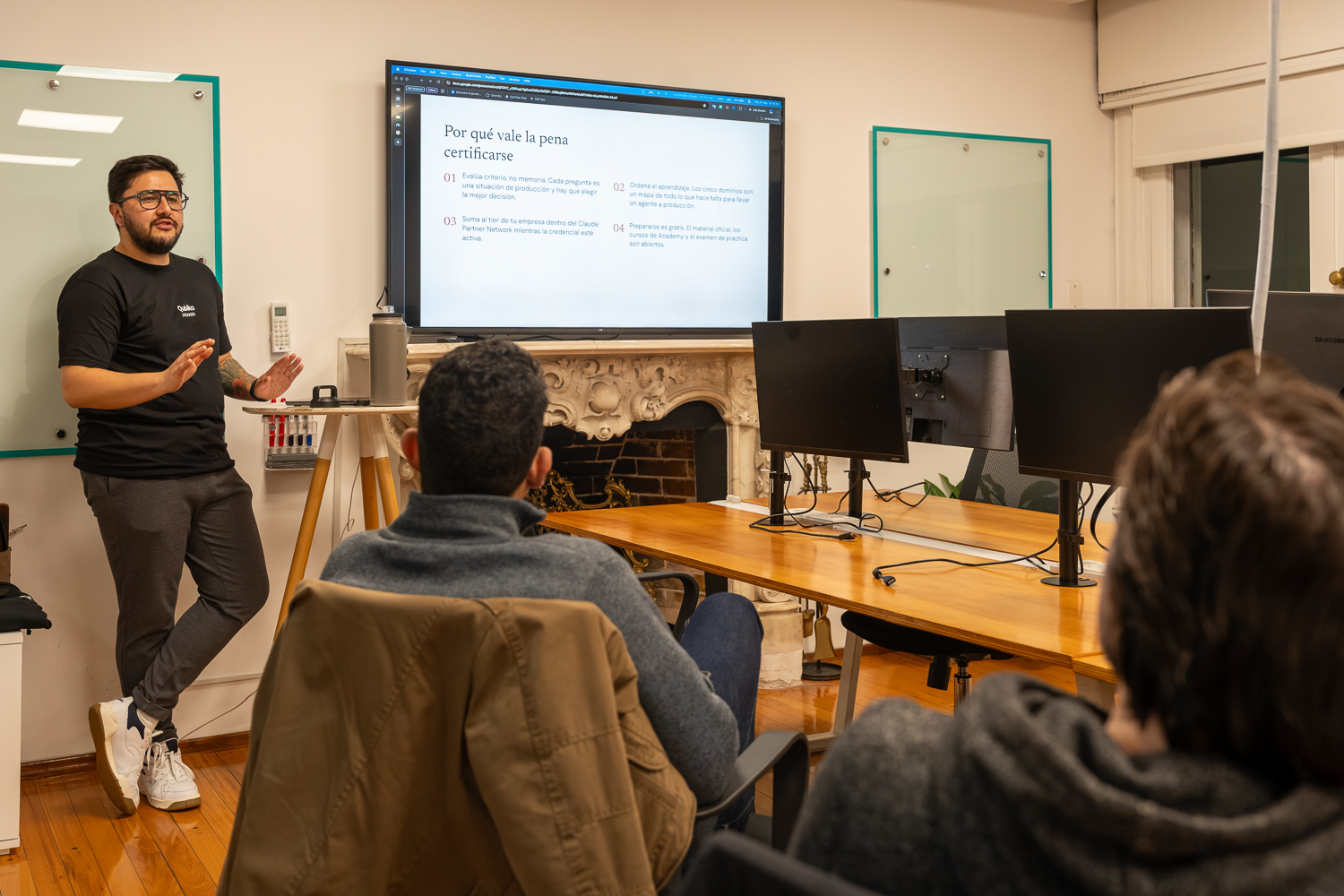
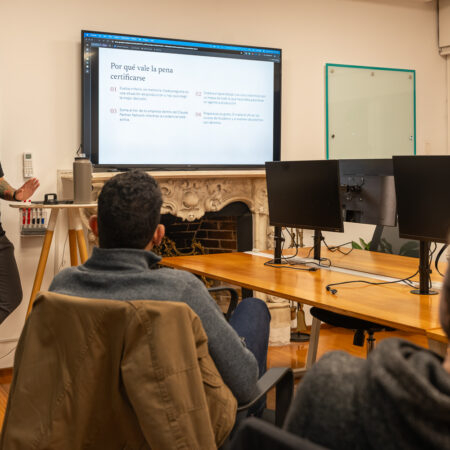
Julian gave attendees a candidate’s view of the Claude Certified Architect Foundations exam. It has 60 scenario-based multiple-choice questions to answer in 120 minutes, and it covers five domains: agentic architecture and orchestration, Claude Code configuration and workflows, prompt engineering and structured output, tool design and MCP integration, and context management and reliability.
He walked through a sample question for each domain and a short primer on key concepts such as tools, MCP, subagents, and hooks. One idea kept coming back: when a business rule is non-negotiable, it should be enforced in code, not left to the prompt.
He also covered the practical side: what you need to register, how the proctored exam works, and how he prepared himself. His advice was to take the free practice exam first to see which domains need work, then build a small real project to practice. It was not an official prep course, and nobody took the exam during the session.
What we took away
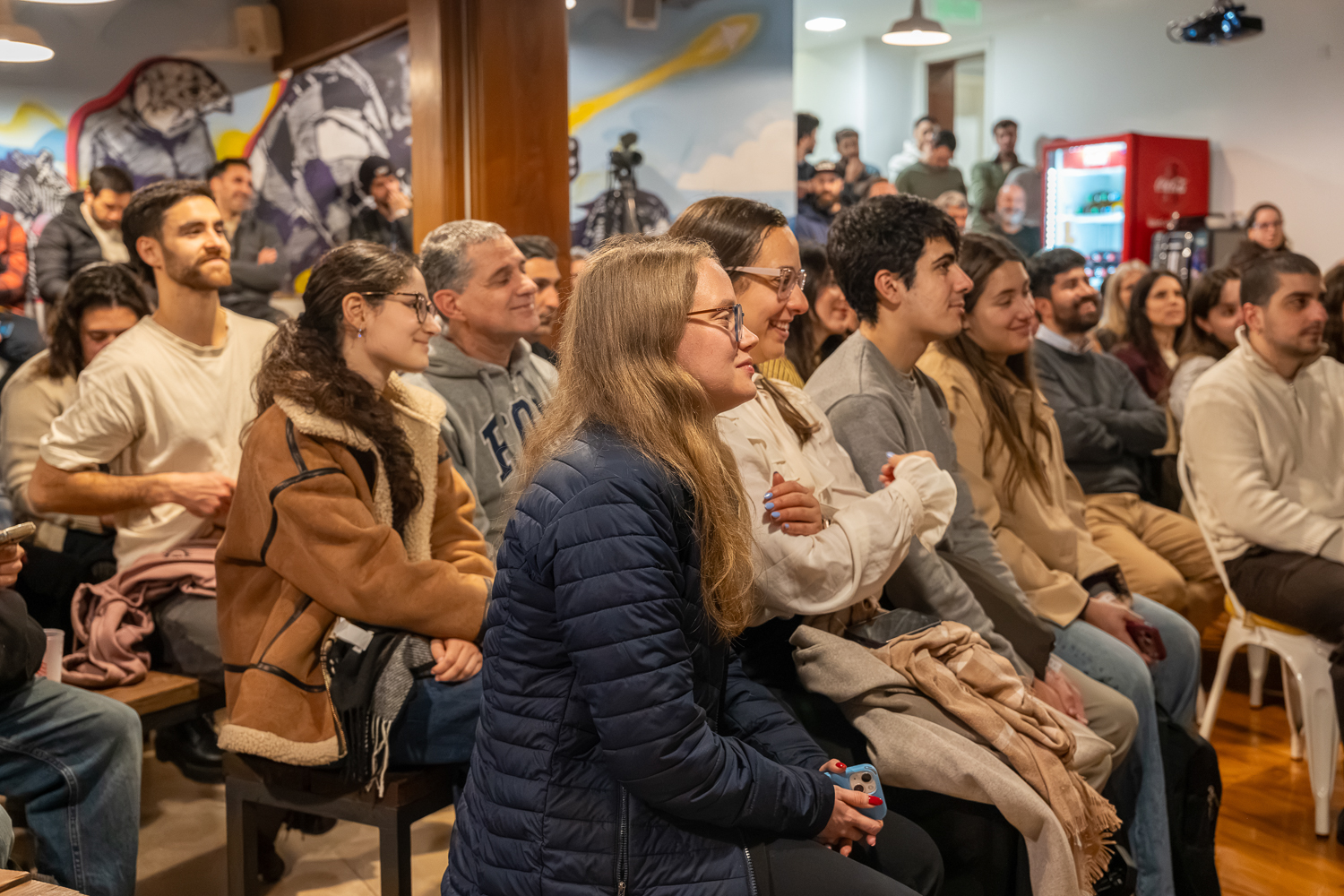
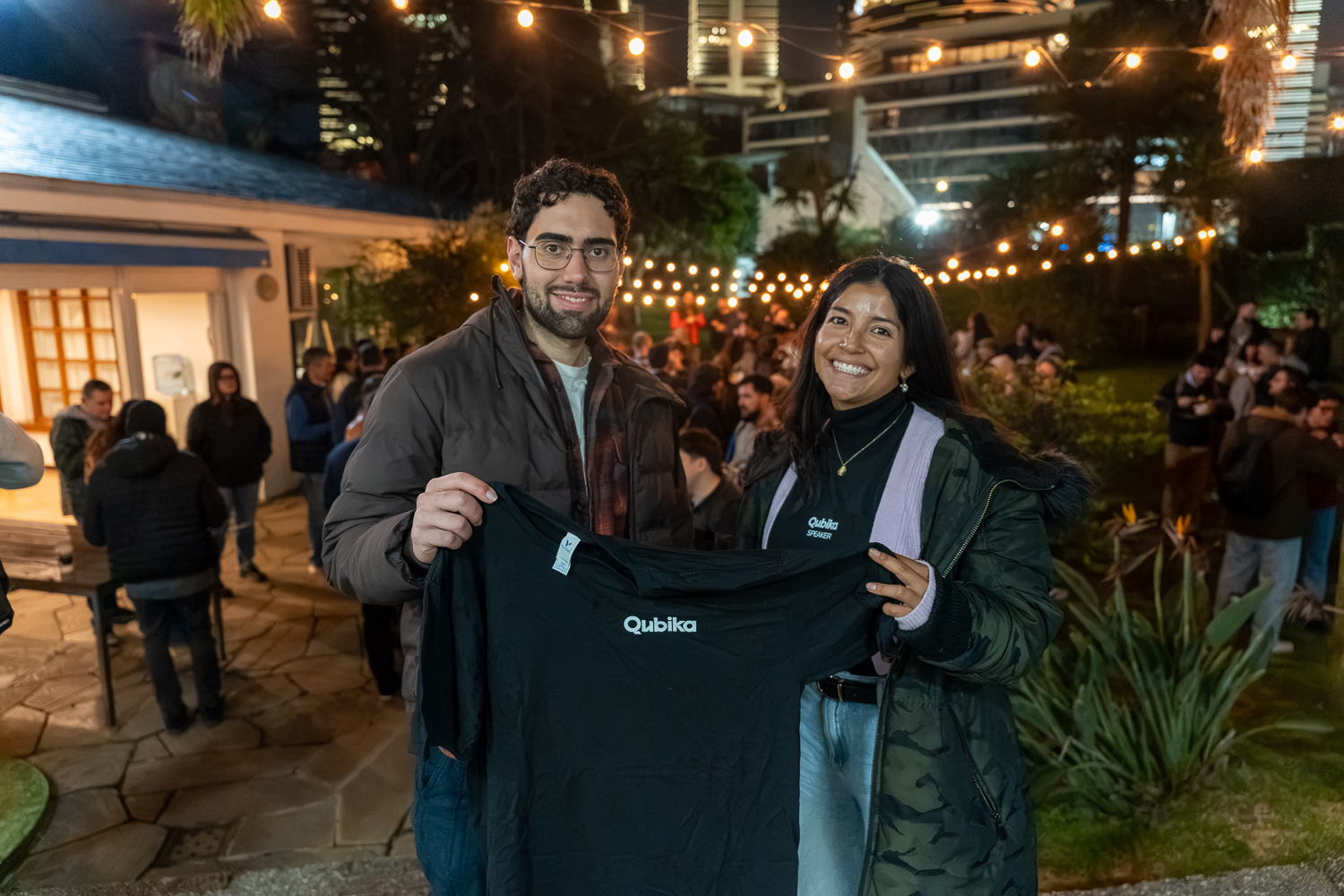
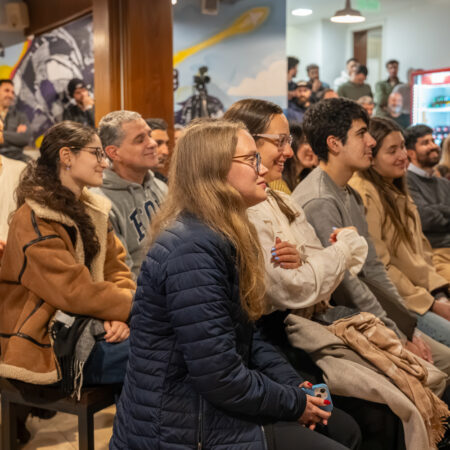
The first Claude Meetup in Uruguay put business leaders, engineers, and people curious about certification in the same building, talking about the same tool. That mix is what turns a one-off event into a community, and it is why we plan to run more editions.
Speak at the next Claude Meetup
The best sessions of the night came from people sharing what they actually built: the workflow, the integration, the result, and the parts that didn’t work the first time. That is the kind of talk we want on stage next.
If you use Claude at work, technical or not, and have a real case to share, we want to hear from you. Tell us what you built and what you learned, and we will get back to you as we shape the agenda for upcoming editions.
Join the Claude community in Uruguay
We're planning more editions in Montevideo, with dates and registration details to be announced. The community is open to technical and nontechnical participants


-
How do I speak at a Claude Meetup?
Submit your proposal through our speaker form. We look for talks built on real use cases, including what didn’t work.
-
Who actually attends AI meetups?
At our first Claude Meetup, 198 people registered and around 100 attended. The event was designed for developers and technical profiles, product managers and founders, tech and business leaders, and anyone with genuine curiosity about AI.
-
Does technical difficulty increase or decrease attendance?
One event can’t isolate that, but we designed for both. The Main Stage had no prerequisites, while the Claude Code workshop required programming and Git experience and was capped at 32 seats.
-
Do you need to announce speakers before opening registration?
At our meetup, registration listed the speakers and track descriptions, so attendees could choose their experience upfront.
-
Which channels drive registrations for a local tech event?
Attendees chose a track when they signed up, and registration capped the workshops at 32 and 18 seats.
-
What is the Anthropic Claude Partner Network?
It is Anthropic’s network for companies that help organizations adopt Claude. Qubika is a Preferred Partner in its Services Track, with 300+ engineers certified in Anthropic.