














Avant is a US consumer fintech offering personal loans and credit cards. Like most engineering organizations in 2025, its teams were already experimenting with AI-assisted development. The results were promising but uneven: every engineer had a slightly different setup, conventions varied from team to team, and good practices discovered in one place rarely traveled to the next. The question was no longer whether AI belonged in the development workflow, but how to make it consistent, trustworthy and useful across an entire engineering organization.
Results at a glance — Avant engineering organization, twelve months to September 2026 vs. the prior twelve months
- Stories completed: +133%
- Pull requests merged: +45%
- Sprint velocity: +53%
- Average cycle time: held at ~3 days
- Sprint completion rate: +13 points;
One shared setup instead of many personal ones
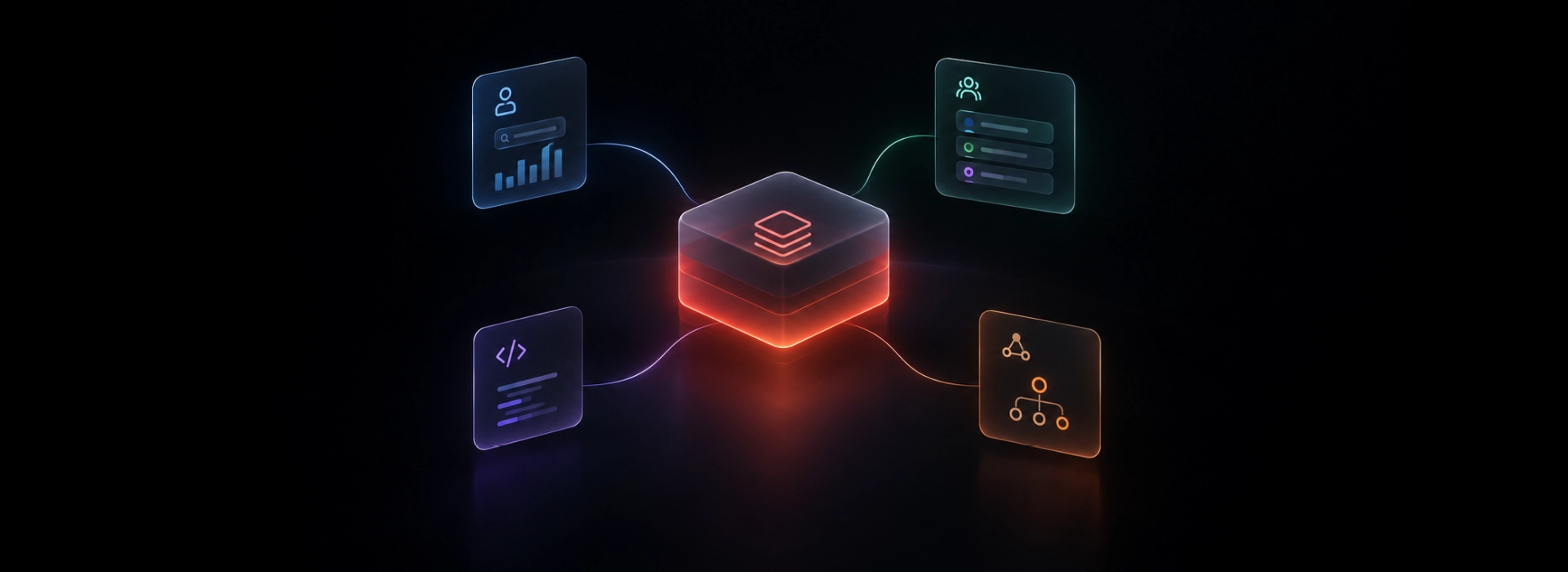
In March 2026, Avant made a deliberate decision. Instead of letting AI adoption grow one engineer at a time, it stood up a single, organization-wide configuration for AI-assisted development built on Claude Code. That configuration connects Claude to the systems engineers already work in every day, from the codebase and project tracking to documentation and team communication, and it encodes Avant’s own engineering standards so that every team starts from the same conventions. Avant treats this setup as an internal product: owned, versioned and continuously improved rather than assembled ad hoc.
This is the part of the story that is easy to underestimate. The value of AI in software delivery does not come from the model alone. It comes from giving the model the right context about how a specific company builds software, and from making that context the default for everyone.
Adoption as a practice, not a rollout
Avant rolled the shared setup out across its engineering pods, including the teams where Qubika engineers work alongside Avant’s own. Since March 2026 those teams have used it full time in production delivery, and Avant kept improving the setup based on what they learned: where the assistant helped, where it fell short, and what a good prompt looks like for a recurring type of task.
In practice this meant a lot of small, unglamorous work. Reviewing what the assistant produced against Avant’s quality bar. Documenting conventions so they could be reused. Pairing with engineers who were skeptical and letting the results speak. Adoption held because it was owned by the people doing the actual delivery work, not delegated to a separate innovation team.
What changes when AI becomes shared infrastructure
The most visible effect is throughput. In the twelve months to September 2026, a period that spans the March rollout of the shared setup, the number of stories Avant’s engineering organization completed more than doubled (+133%) and merged pull requests rose 45%. Average cycle time held steady at around three days over the same period: the organization is moving more work through the same pipeline without the pipeline slowing down. Routine engineering work such as scaffolding, test coverage, migrations, refactors and documentation moves faster, and engineers spend more of their time on the decisions that require judgment.
The second effect is predictability, and it matters more than the raw volume. Sprint velocity is up 53%, the share of committed work completed within the sprint improved by 13 points, and the amount of scope added after a sprint had started fell by 19 points. What teams commit to on the first day of a sprint is more often what ships on the last. Because every team works from the same standards, output quality and conventions stay consistent across pods, code review gets easier, and lessons learned in one team are captured in the shared setup and immediately available to the rest of the organization.
That consistency is what turns AI from a productivity tool into a product and service improvement engine. Faster, more predictable delivery means Avant can ship improvements to its lending and card products more often, with the same quality regardless of which team built them. And a setup that improves with every iteration compounds: each convention refined makes the next feature cheaper to build well.
What comes next
The program is now in a sustained adoption phase. Avant is extending the shared setup toward monitoring, design and business systems, so that the same context engineers rely on is available across the product lifecycle. On the product design side, Claude Design is being applied to Avant’s design system, bringing the same principle of shared, encoded standards to the design workflow.
The lesson from Avant is simple. Individual AI experiments plateau. A shared, well-governed setup, adopted by the people who deliver the work and improved continuously, keeps paying off. Qubika has worked alongside Avant throughout this process and continues to do so as the program grows.