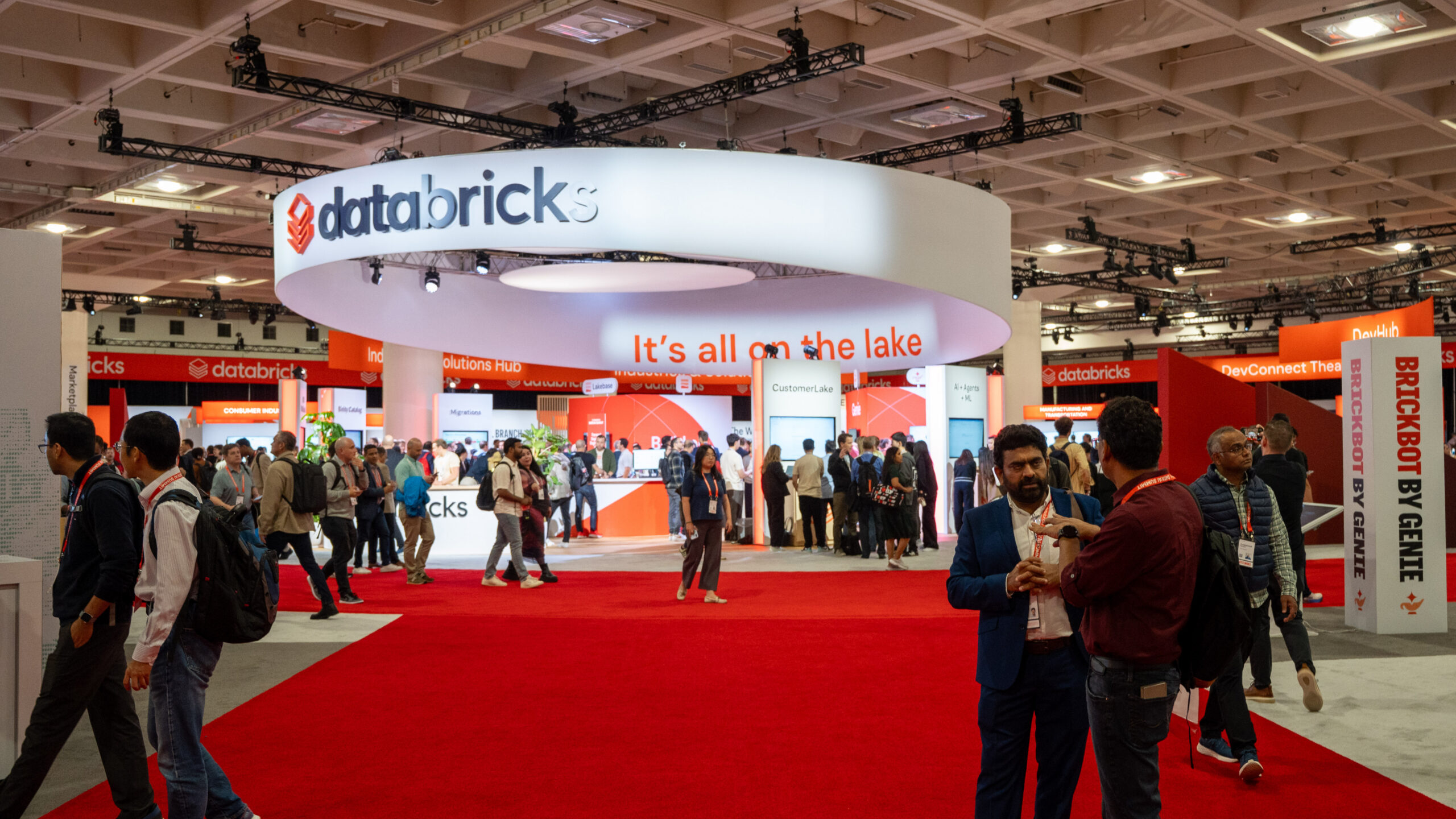





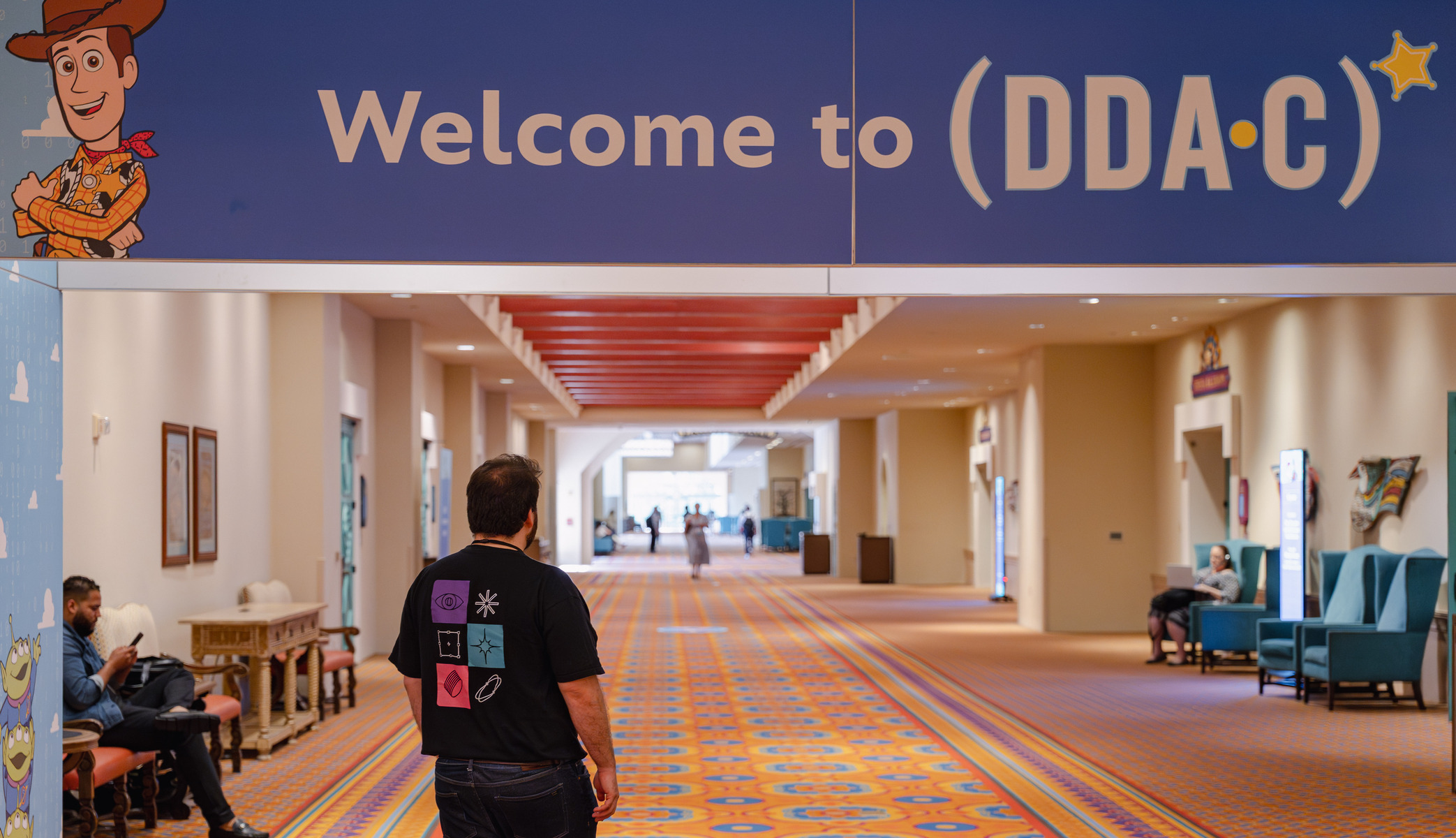


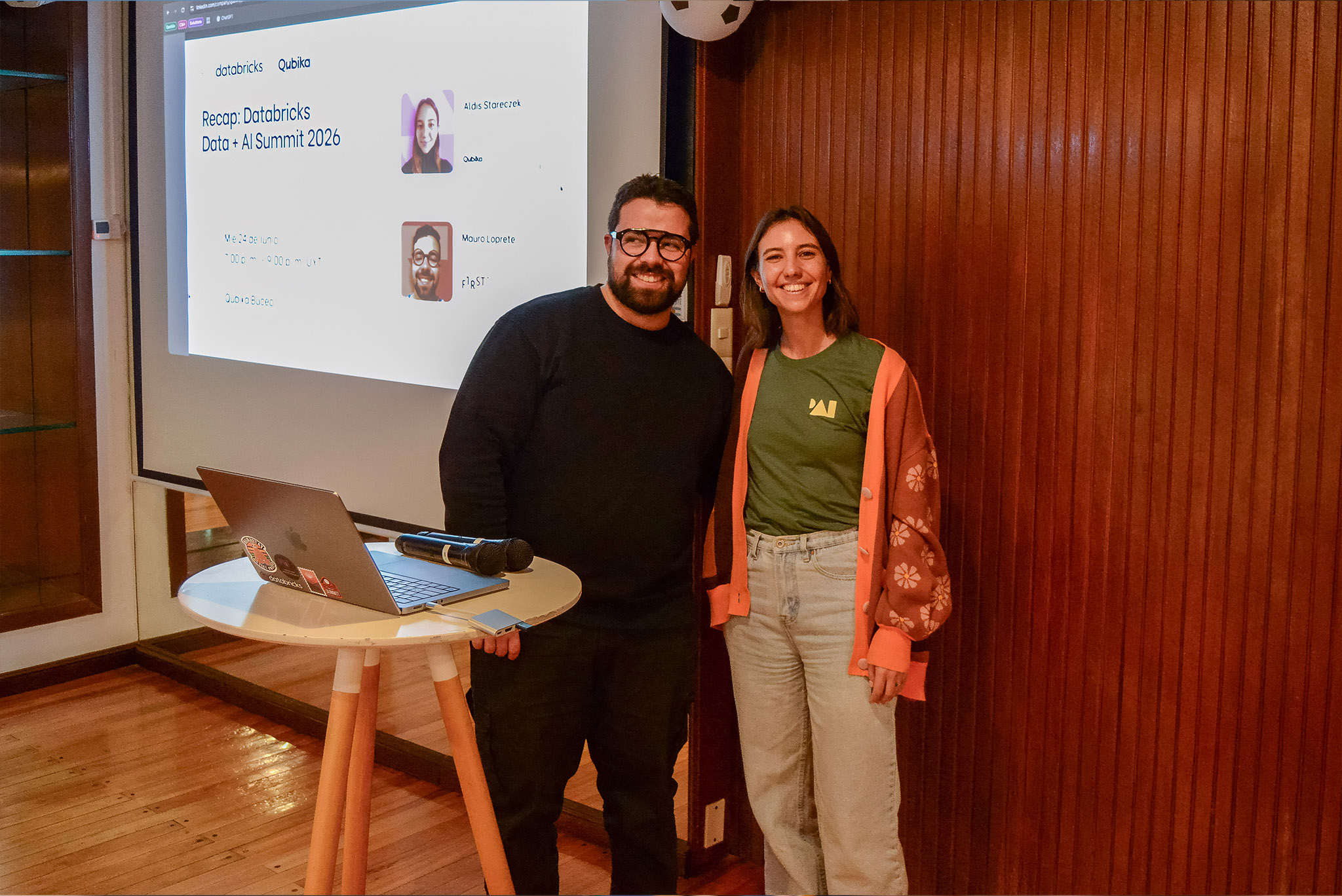
The DAIS Data + AI Summit 2026 wrapped up in San Francisco this week and the energy was unlike anything before. Over 30,000 people registered, sessions packed, and a collective sense that the announcements this year actually meant something. As Qubika’s Gold Tier partner team on the ground across the Partner Keynote and main keynotes, we wanted to put everything in one place — because Databricks published a dozen blog posts alongside the keynotes and piecing it together takes time most people don’t have.
Genie: The AI Coworker Stack
The biggest family of announcements. Databricks introduced three interconnected products under the Genie umbrella.
Genie Ontology is the context layer that powers all of them — a self-improving knowledge graph that automatically extracts business meaning from tables, dashboards, queries, pipelines, and connected apps (Jira, Slack, Google Drive, SharePoint, and 50+ others). It’s what allows Genie to answer questions about your business, not just your data. In an internal benchmark, Genie answered 84.5% of real-world employee questions correctly on the first attempt — vs. 52.4% for the strongest general-purpose coding agent.
Genie One is the new flagship: an agentic coworker available on web, iOS, Android, Slack, and Microsoft Teams. It goes beyond answering questions — it creates documents, runs scheduled tasks, takes action via MCP tools, and can spin up agents from a conversation. Priced pay-as-you-go (not per seat).
Genie Agents is the evolution of Genie Spaces — now capable of reasoning over unstructured data, calling external tools via MCP, and being shared externally via OpenSharing. For partners who have already built Genie Spaces implementations, this is the upgrade path.
Genie Code got a major update: a new command center for managing parallel threads, deep ML integration (MLflow, Model Serving, compute-aware execution), scheduled background tasks (coming soon), and BI migration — drop in a Tableau or Power BI file and Genie Code builds an AI/BI dashboard from it (Beta).
→ Pricing note: on July 6, Genie products move to pay-as-you-go. Each user gets 150 DBUs free per month (~$10.50).
AI/BI: Dashboards and BI Migration
AI/BI shipped a dense set of updates: workspace themes, 20+ new fonts, Gantt charts, choropleth maps, cross-filtering, drill-through, and parameterized metrics. Dashboards can now be subscribed to via Slack or Teams with CSV attachments. A new low-latency high-concurrency engine called Reyden powers the backend.
The bigger story is migration: Genie Code now imports Tableau and Power BI workbooks and generates AI/BI dashboards connected to Unity Catalog metric views. For customers wanting to move off legacy BI tools wholesale, this is the on-ramp.
Databricks Apps: Governed Vibe Coding
Three new capabilities announced for Databricks Apps:
App Spaces — a governance boundary that lets admins set resource access, security policies, and Unity Catalog permissions once for a group of apps, rather than app by app.
Genie App Builder — a Databricks-native AI tool that builds apps from a plain language description, with awareness of your data assets and Unity Catalog semantics. Built on AppKit, a TypeScript SDK with opinionated defaults.
Serverless Micro Apps — a new lightweight runtime that scales to zero when idle, making it economical to deploy a broad portfolio of internal tools without always-on infrastructure.
Apps can now be listed on Databricks Marketplace and distributed to 20,000+ customers. IP stays protected — customers never see the underlying code.
Agent Bricks + Omnigent
Agent Bricks expanded from a quality-focused agent builder into a full developer agent platform. 100k+ agents built, 1+ quadrillion tokens/year processed. What’s new: broader model choice (now includes Kimi and Grok via a SpaceX partnership, alongside OpenAI, Anthropic, and Gemini), support for any harness (LangGraph, CrewAI, Claude Code SDK), managed agent memory via Lakebase, Document Intelligence SQL functions (GA), and Databricks Sandbox for secure isolated agent execution.
Omnigent is a new open-source (Apache 2.0) meta-harness for combining and controlling coding agents across frameworks. Lets you swap/combine harnesses with one-line changes, set cost budgets and contextual policies, and share live agent sessions via URL. A managed version on Databricks is in Beta.
Unity Catalog: Context for Agents
Unity Catalog shipped three new semantic capabilities this week:
Business Glossary (Preview soon) — authoritative definitions for business concepts, connected to underlying data assets, co-curated by humans and Genie Code.
Domains (Public Preview) — organize data and AI assets into business-aligned categories, so agents get scoped context instead of the entire catalog.
Metrics — define KPIs once as governed objects, reusable across dashboards, agents, and apps. Supports multi-fact relationships, parameterization, and materialization.
These three feed directly into the Genie Ontology — the more your semantics are modeled in Unity Catalog, the better Genie performs.
Unity AI Gateway: Runtime Governance
Unity AI Gateway is the new runtime governance layer for everything agents do — not just what they can access. Cost controls with hard spend caps, smart routing, contextual service policies (allow/deny/approve for specific actions), built-in guardrails for PII and prompt injection, and unified tracing across all agent activity.
Open partner ecosystem includes CrowdStrike, Palo Alto Networks, Okta, Zscaler, Netskope, and others. The agent traces feed directly into LakeWatch for security analysis.
Lakebase + LTAP + Lakehouse//RT
Three related but distinct announcements in the data infrastructure layer:
LTAP (Lake Transactional/Analytical Processing, coming soon) — a new architecture that unifies OLTP and OLAP on a single copy of data stored in the lake, in open formats, with no CDC pipelines or hidden replication. Databricks is framing this as a fundamental shift equivalent to how the lakehouse replaced the data warehouse.
Lakebase — now handling 12 million database launches per day — added cross-cloud/cross-region disaster recovery, git-style branching and snapshots (sub-second operations), autonomous database operations, and Lakebase Search (Beta): hybrid vector + full-text retrieval built natively into Postgres, with 32x compression enabling 1B+ vector indexes at low cost.
Lakehouse//RT (Beta) — a real-time data warehouse delivering sub-100ms latency at 12,000 QPS directly on Delta/Iceberg tables, powered by the Reyden engine. No separate serving layer.
OpenSharing + Marketplace
OpenSharing (announced June 10, now a Linux Foundation project) is the evolution of Delta Sharing for the agentic era — extending the open protocol to cover AI assets: agent skills, models, and Genie Agents, not just structured data. On-premises storage partners (MinIO, Qumulo, NetApp, Nutanix, HPE, and others) implement the protocol natively, enabling zero-copy access to data that can’t move to the cloud. Full details →
New infrastructure additions: Iceberg Interoperability (share to any platform supporting Iceberg, including Snowflake), SecureConnect (one-time network setup for unlimited recipients), and Global Distribution (automatic cross-region replication, no egress overhead).
LakeWatch: Agentic SIEM
LakeWatch is Databricks’ open, agentic SIEM — a lakehouse-native security platform built on Unity Catalog and the Open Cybersecurity Schema Framework. Unifies all security telemetry with business data, deploys Genie agents for threat detection and response, and promises up to 80% lower TCO vs. traditional SIEMs. Databricks also announced an agreement to acquire Panther (100+ pre-built security integrations) to feed LakeWatch.
CustomerLake: Agentic CDP
CustomerLake is Databricks’ entry into the customer data platform market — the first CDP embedded in the lakehouse. Built around autonomous Profile and Campaign Agents for real-time, 1:1 personalization. No data movement, governed by Unity Catalog, and designed to collapse the traditional martech stack into the data layer. The key concept: “Golden Context” replaces the legacy “Golden Record.”
Security & Compliance
New capabilities include: Automatic Identity Management (AIM) for Entra ID now GA on AWS and GCP; AIM for Okta in Public Preview; Context-Based Ingress (Public Preview); expanded AWS GovCloud support for AI products (Apps, Model Serving, Genie, Genie Code); HITRUST across all clouds; FedRAMP High coming to Azure Commercial (later this summer).
Free Edition
Databricks Free Edition (500k+ users) now includes five new products: Genie Code, serverless GPUs, Lakebase, Agent Bricks, and Lakeflow Designer. The full practitioner toolkit, at no cost.
The Bottom Line
DAIS 2026 wasn’t a collection of incremental feature updates. It was Databricks making a clear architectural statement: the lakehouse, the semantic layer, the agent runtime, and the governance layer are now one platform — and it’s built to run agents safely at enterprise scale.
For Qubika and our clients, the most immediately actionable pieces are Genie One and Genie Agents (the implementation demand is real and growing fast), AI/BI migration from Tableau and Power BI (customers are asking), and Unity AI Gateway (the governance foundation every organization should have in place before scaling agents). Lakebase and LTAP are the infrastructure bets to watch for the next 12–18 months.
We’ll be publishing deeper dives on the areas most relevant to our clients throughout the week. Stay tuned.
Ready to implement these Databricks innovations?
Qubika's 250+ Databricks-certified engineers are ready to help you implement OpenSharing, build custom Genie Agents, and optimize Lakebase for your organization.