









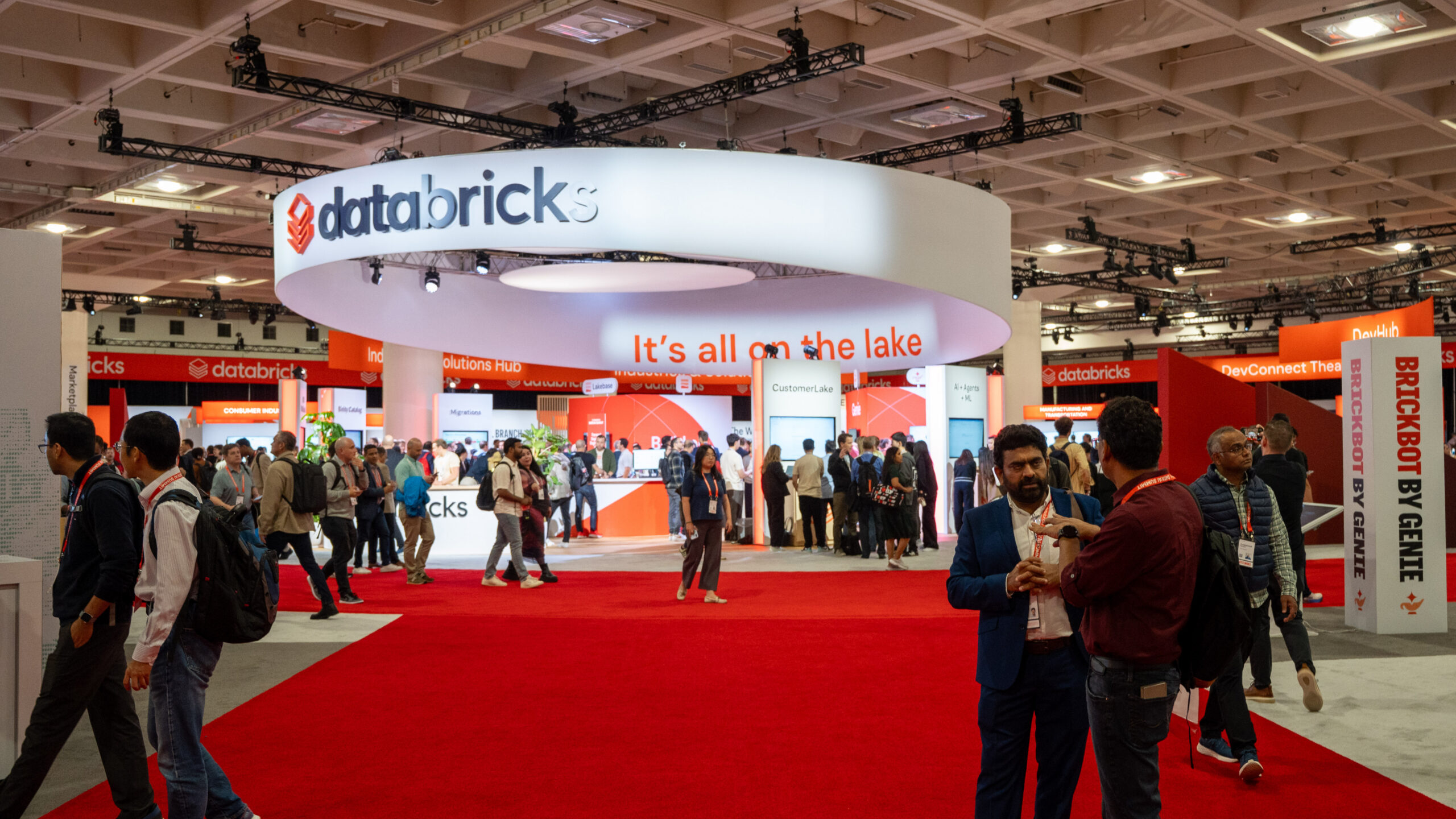
DAIS 2026 is in full swing. The keynote dropped a wave of announcements, the expo floor is packed, hallway conversations are going non-stop. Amidst all of that, one of the sessions we made sure to attend was a hands-on workshop focused entirely on Databricks Apps, and it was worth every minute.
Databricks ran a three-part partner training track this week built around Apps: how to design them, how to build them with Genie Code, and how to evaluate their quality with reusable frameworks.
The vibe was different from a keynote: engineers and consultants actually building things, comparing patterns, asking the hard questions about governance and cost. And the timing is perfect, because Databricks just announced a wave of new Apps capabilities alongside the main keynote.
Three New Databricks Apps Capabilities
Databricks announced three major app capabilities: App Spaces for governing groups of apps, Genie App Builder (a data-aware, Databricks-native agent for building apps), and a new lightweight Serverless Micro Apps runtime for cheaper, scale-to-zero apps.
These three together tell a clear story: Databricks wants rapid, accessible coding to work in the enterprise, but without sacrificing data governance or cost control.
App Spaces create a governance boundary, a way to configure resources, access management, and security policies for a collection of related apps, rather than managing each one individually. For teams running dozens of internal apps, this is the missing organizational layer.
Genie App Builder is the most interesting announcement for partners. It’s a purpose-built AI authoring tool with native awareness of your data assets, Unity Catalog semantics, and workspace context. In practice: you describe what you want, and it builds the app knowing what’s in your catalog, what your metrics mean, and what your data looks like. No boilerplate, no wiring up connections manually.
Serverless Micro Apps solve the cost problem that’s been quietly slowing adoption. They start up fast when needed and scale down to zero when idle, so organizations can support a broad portfolio of apps without the cost of always-on infrastructure. This is particularly relevant for internal tools that get used sporadically: a QBR prep app, a weekly ops briefing, a one-off analysis tool. These previously weren’t worth the always-on compute cost.
The App Stack: Four Building Blocks
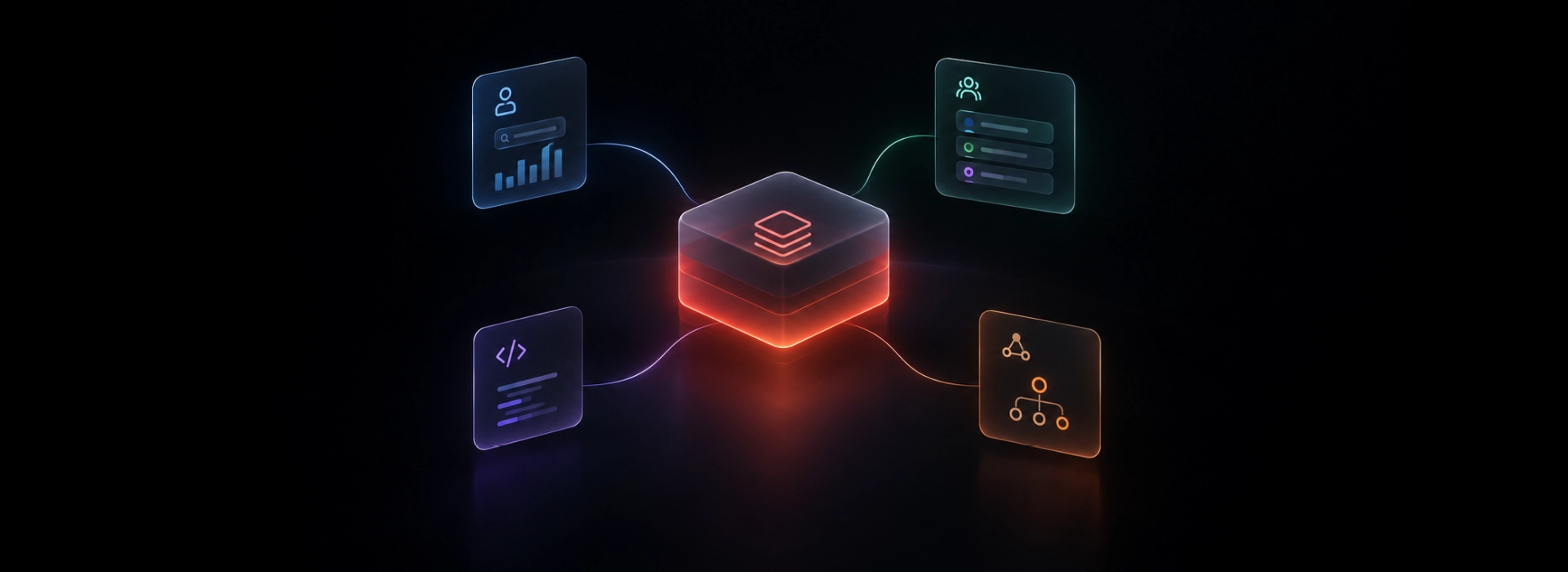
One of the clearest slides from the technical session laid out exactly what you need to build a production Databricks App:
Databricks Marketplace is the open exchange for data, models, and analytics assets, now also the distribution channel for your apps, with 20 partners already launching production-grade applications across data and AI use cases.
Genie Agent is the domain-specific natural language interface embedded in your app. Users ask questions, get back answers, tables, and visualizations without writing SQL. The Genie Ontology powers the business context underneath.
Appkit is the TypeScript SDK for building production-ready Databricks Apps, with a plugin-based architecture and opinionated defaults that handle the scaffolding so you can focus on the app logic.
Genie Code is the AI agent for data work: building pipelines, dashboards, analyses, and end-to-end data workflows. In the workshop, this was the tool used to actually go from description to working app.
What Genie-Powered Apps Actually Look Like
The session also showed four concrete archetypes that partners can build and sell today:
Sales QBR Prep Assistant: Genie wrapped with sales teams’ territory filters pre-applied, exports results as a formatted QBR summary. No analyst needed, no waiting for a data pull.
Ops Command Center: Genie available for drill-down alongside auto-refreshing KPI tiles that link to additional inputs and resources. The ops team’s single pane of glass, grounded in live data.
Executive Briefing Tool: Daily digests where saved questions auto-run and results are packaged into narrative summaries for email or Slack. The kind of thing that used to require a dedicated analyst.
Approved Reference Hub: A registry of customer-facing references with curated views of selected raw data and save functionality. Think of it as a governed, queryable knowledge base your sales team can actually trust.
The pattern across all four: a Genie Space embedded in a Databricks App, with additional resources, filters, and outputs layered on top. Genie Spaces and Agent Bricks for natural-language and agentic workflows are embedded in the app experience, meaning many of these apps are AI-ready out of the box.
What This Means for Marketplace Distribution
Providers benefit from building on these primitives: it’s faster than wiring up external services, and the consumer’s security review is simpler because there’s nothing extra to allowlist. When you publish your app to Marketplace, customers deploy it into their workspace with one click and Unity Catalog handles permissions. They never see your underlying code.
The Governance Layer That Makes It Enterprise-Grade
One thing that came through clearly in the technical sessions: the reason Databricks Apps can go enterprise-wide where other app platforms can’t is Unity Catalog. Every app gets fine-grained permissions to data, models, and agents scoped to the customer’s own workspace. The Genie Ontology provides the business context. Unity AI Gateway provides spend controls and LLM governance. The customer’s IP stays in their environment; the provider’s IP (the app code) stays protected.
You can now collaborate on AI assets and applications beyond data. Genie Sharing enables cross-organization collaboration on Genie Agents, and third-party apps are now available on Databricks Marketplace, with Unity Catalog continuing to evolve as the industry’s only unified governance layer.


What We’re Taking Back to Our Clients
The workshop format was deliberate. Databricks isn’t just announcing features, they’re training partners to build with them, evaluate them, and take them to customers. The three-part track (Sales, Build, Evaluate) mirrors exactly how a real implementation engagement works.
For Qubika, the combination of Genie App Builder, App Spaces, and Serverless Micro Apps changes the math on what’s worth building. Apps that previously required significant infrastructure investment, and therefore significant client commitment, can now be scoped as low-risk pilots. Build it fast with Genie App Builder, run it lean with Micro Apps, govern it with App Spaces, distribute it through Marketplace. That’s a go-to-market motion we can execute across verticals.
The customer success data on screen reinforced why this matters at scale: customers created over 1.5M Genie Spaces in 2026 alone, and that’s before Genie One, Genie App Builder, and Marketplace distribution. The platform is moving fast. The partners who build fluency now will be the ones customers call first.
Written from the Databricks Data + AI Summit 2026, San Francisco. Qubika is a Databricks Gold Tier Partner with 250+ certified professionals delivering enterprise data and AI solutions.