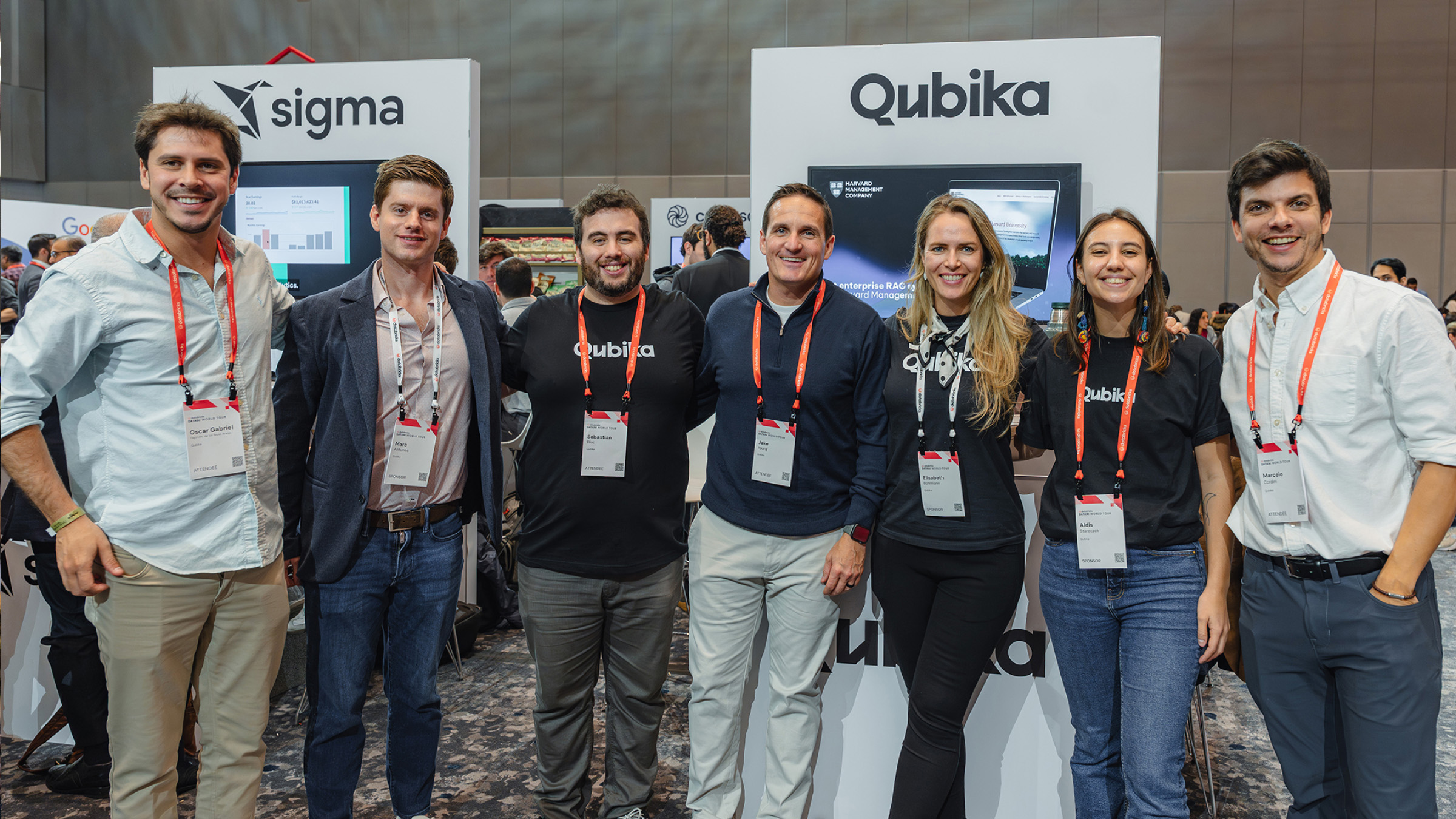














Last Wednesday, I had the chance to attend Databricks DevConnect London at the Databricks London offices. This gave me the opportunity to not only understand how some of the most interesting Databricks solutions are built but also to see them in action and compare them with some of the challenges we’ve been tackling recently at Qubika.
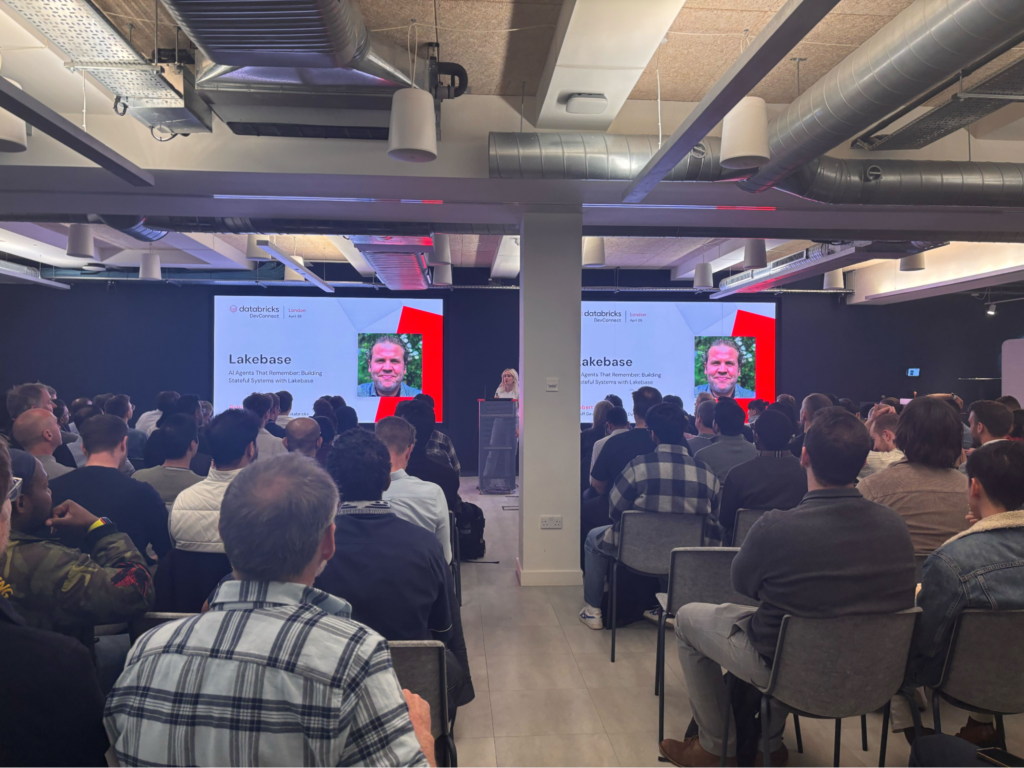
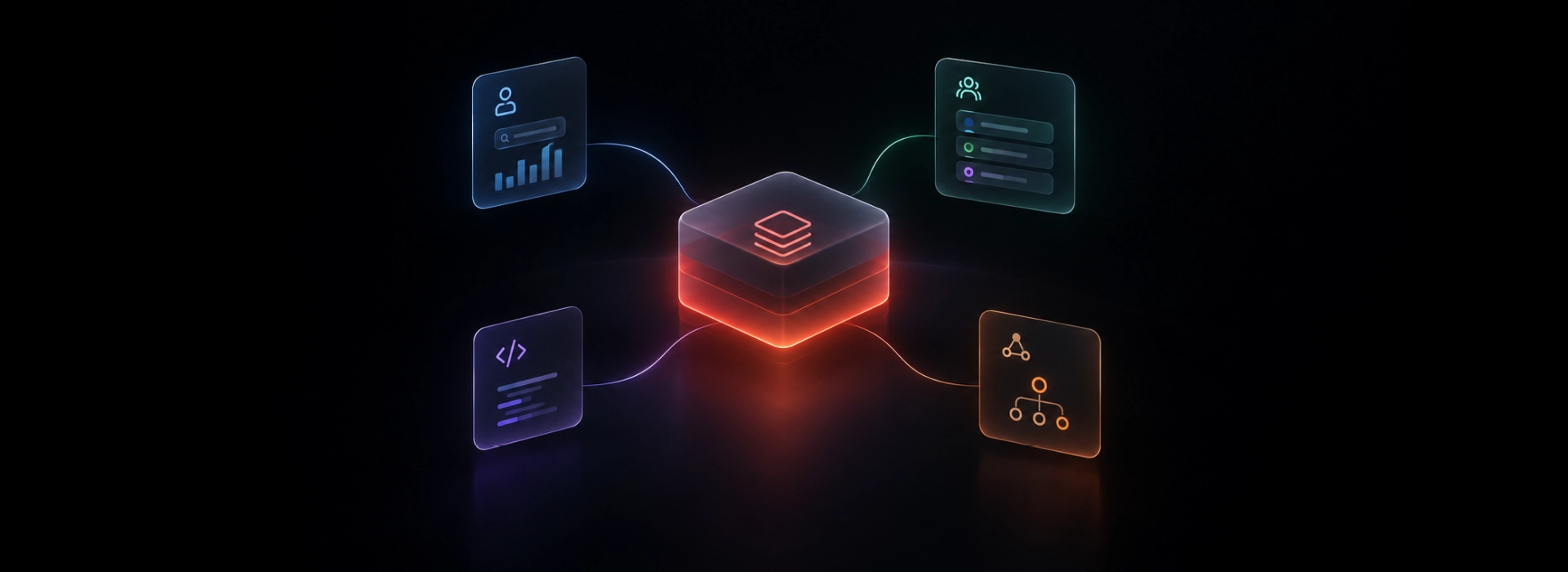
In the first session, Robert Pack (Databricks ,Staff Dev Advocate), presented Lakebase, its components and built-in easy-to-use solutions to handle the integration of different types of databases while assuring security and having low-latency response times. In my experience, this is one of those areas where teams tend to overcomplicate things early on, so seeing a more structured and simplified approach was quite valuable.
Oleksandra Bovkun (Databricks, Sr. Developer Advocate) presented a knowledge assistant to query, digest and transform unstructured data into structured data. Apart from being a quite relevant issue that companies face nowadays, it was super interesting to see the capabilities that Databricks developed, doing all the heavy lifting for us, especially because in a recent project our Databricks and GenAI team at Qubika took on a very similar challenge building our own knowledge assistant. It was interesting to compare approaches and see where they converge and where they differ.
The third session was probably the one most of the people in that room could relate to, as Huong Vu (Databricks, Sr. AI Engineer, AI FDE) walked us through the AI Agents life cycle: from the initial vibe coding stages to the production and never-ending monitoring and evaluation. This resonated a lot with what we’ve experienced: getting a POC working is fast, but making it reliable in production is a completely different game. Here’s where mlflow shone as Huong explained how it facilitates the agents operationalization for production while following the best practices for high quality agent development
To close the night, one of the teams presented some of their current live implementations in the Databricks environment. I was glad to see they had built a contract agent capable of uploading, querying, and generating contracts – something that aligns closely with needs we’ve encountered across different clients and explored through similar solutions. It was reassuring to see that many teams are tackling the same challenges, each adding their own perspective and approach. It created a strong sense of community.
Final thoughts from DevConnect London 2026
It was refreshing to spend a night among devs who still share the curiosity to understand how technical solutions are built and how to keep improving. In the AI era where everything seems to be doable with one person typing just a simple prompt, it was inspirational to see there are still so many engineers eager to go deeper, question the abstractions, and develop strong technical foundations.